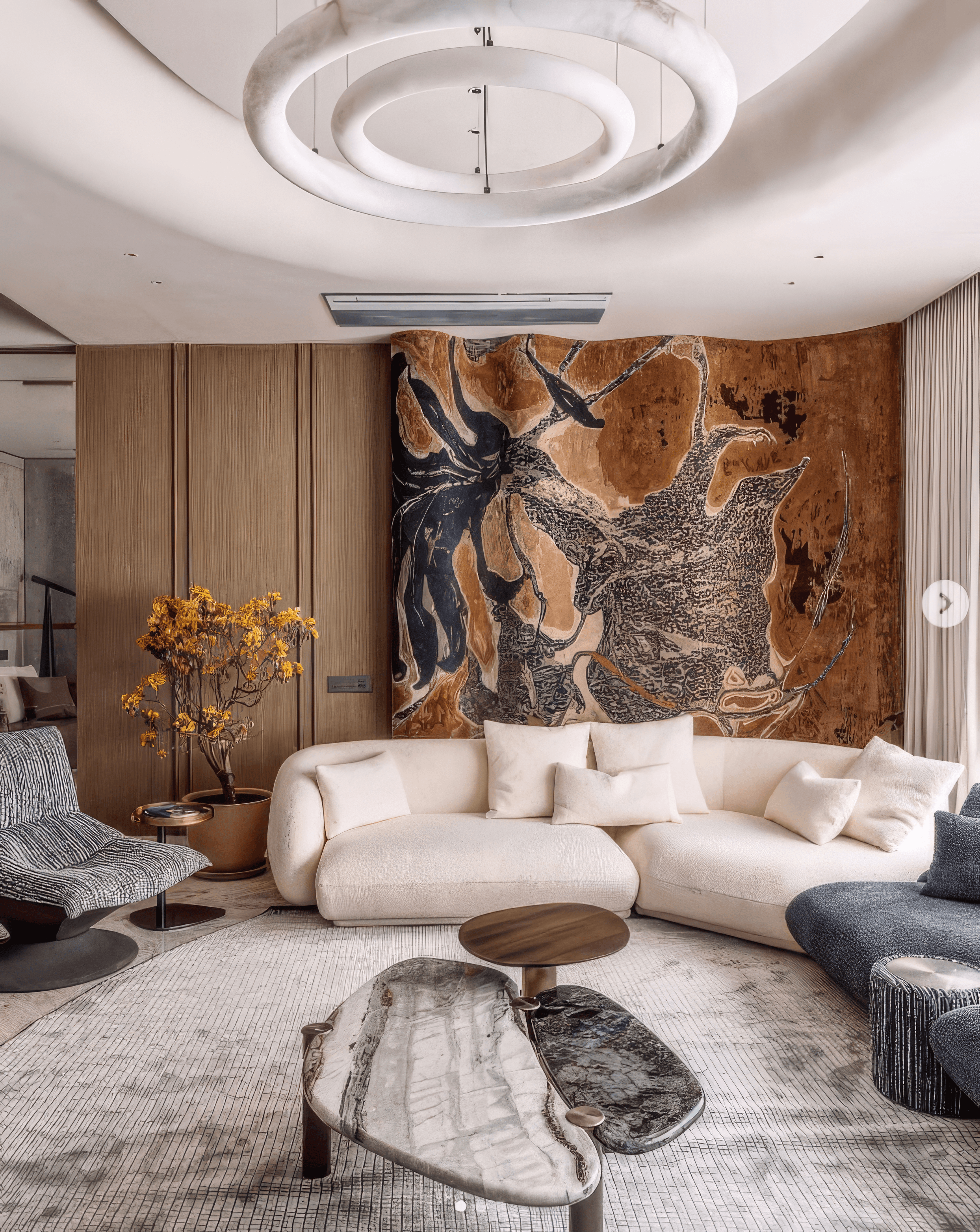
From Visual Style to Emotional Intelligence
Interior design in 2026 is not about doing more.
It’s about doing things with intention.
After years of visual minimalism, fast trends and algorithm-driven aesthetics, we’re seeing a clear shift toward interiors that feel grounded, human and enduring. Spaces are becoming quieter, warmer and more layered not in appearance alone, but in meaning.
At Txengo Studio, we see 2026 as a turning point: when design moves away from surface expression and toward emotional intelligence.
Colour That Grounds Rather Than Performs
The palette of 2026 is richer, deeper and more considered.
Instead of cold whites or fashionable greiges, we’re working increasingly with:
Earth-based tones: clay, ochre, olive, forest green
Muted saturation: dusty blues, warm plums, softened reds
Pigmented neutrals that hold warmth even in low light
Colour is no longer used to impress at first glance. It’s used to create mood, comfort and continuity often through colour-drenched schemes that envelop rather than contrast.
This approach reflects a broader desire for interiors that support daily life, not just photograph well.
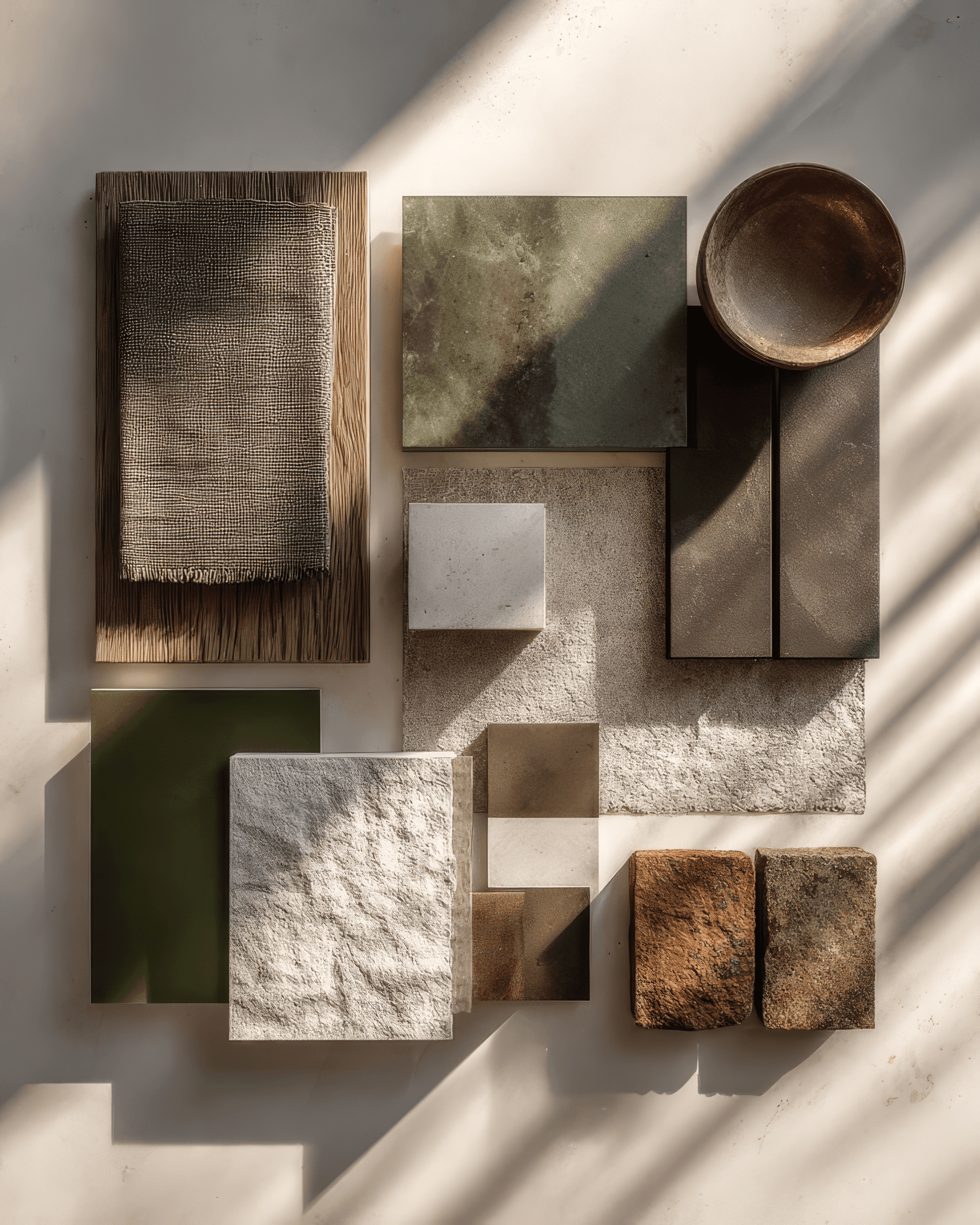
Photo Credit: Elisa Carsson Studio
Texture as a Measure of Quality
In 2026, texture becomes one of the clearest indicators of thoughtful design.
Clients are drawn to materials that reveal process and craft:
Visible wood grain, stone veining and patina
Limewash, clay plaster and tactile wall finishes
Natural textiles layered for depth rather than symmetry
This is a quiet rejection of overly smooth, perfect surfaces. Texture introduces time, imperfection and honesty qualities that help interiors age gracefully.
Design feels less manufactured, more lived-in.
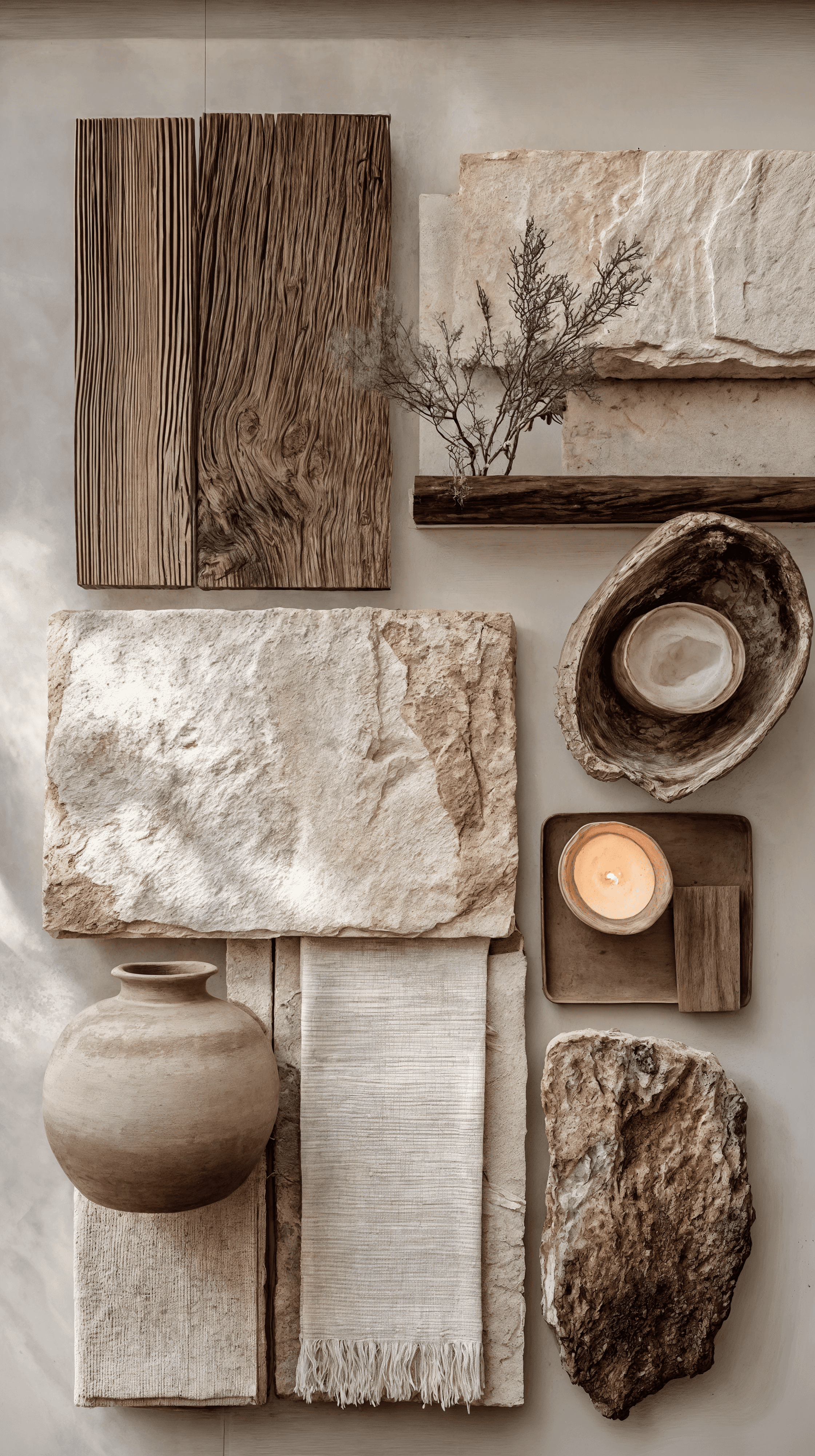
Photo Credit: Paso & Paso Interior Atelier
Real-World Example: Luxury Residential
A London Apartment Designed for Longevity
In recent high-end residential projects, we’ve seen clients move away from trend-led finishes in favour of materials that mature with use.
Rather than a crisp, white interior, the brief shifts toward:
Warm-toned timber joinery
Softly textured walls that respond to changing daylight
Curved seating layouts encouraging slower living
The result is a home that doesn’t feel “finished” in a showroom sense but complete in an emotional one.
This approach reflects a growing preference for timelessness over novelty.
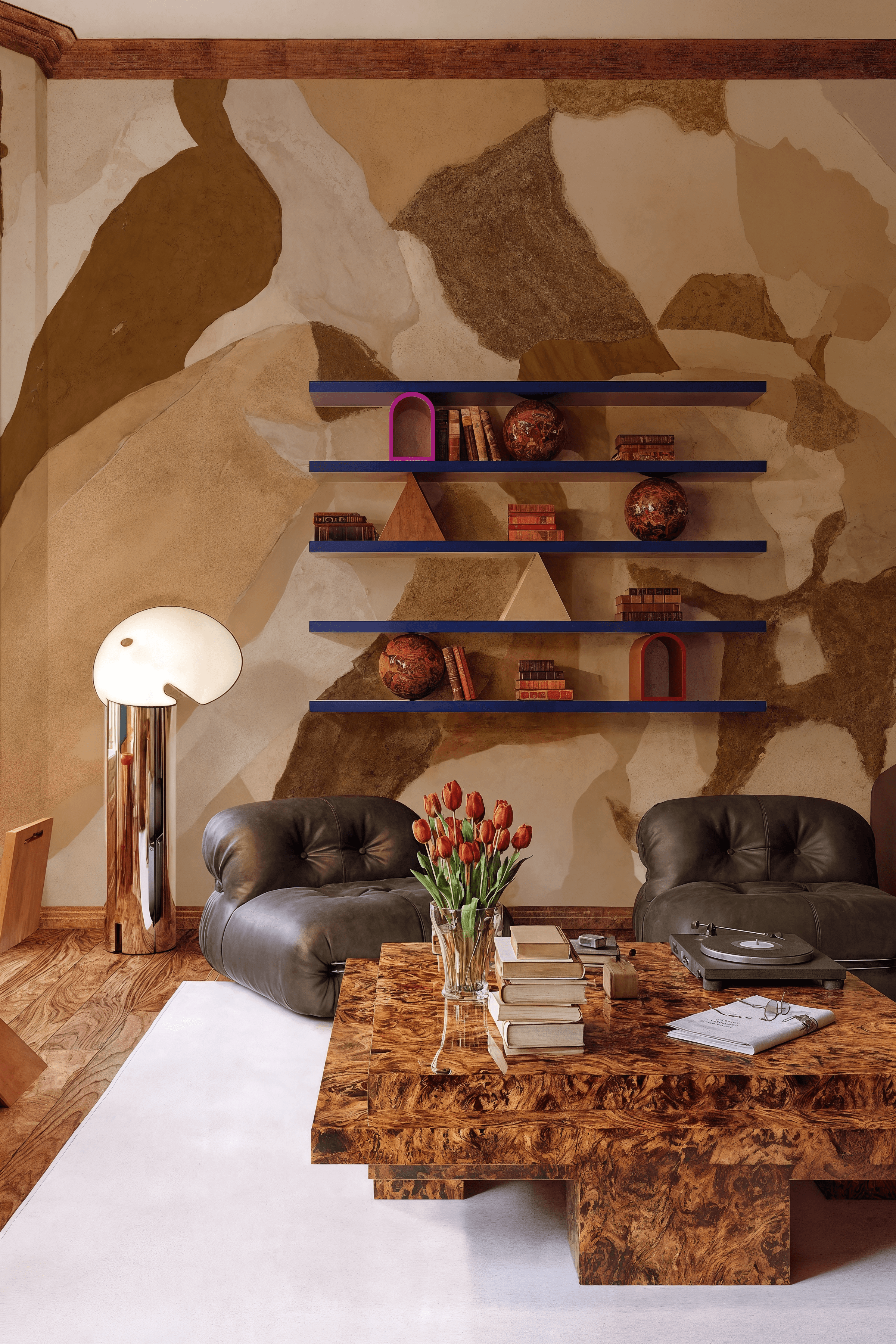
Photo Credit: Belarte Studio
Heritage, Storytelling and Personal Narrative
One of the strongest undercurrents of 2026 is the return of story.
Interiors are no longer styled to look new, they’re composed to feel collected:
Vintage and contemporary pieces sit side by side
Traditional detailing is reinterpreted through modern craftsmanship
Objects carry cultural or personal significance
This is not nostalgia. It’s intentional continuity—design that acknowledges where things come from, not just how they look.
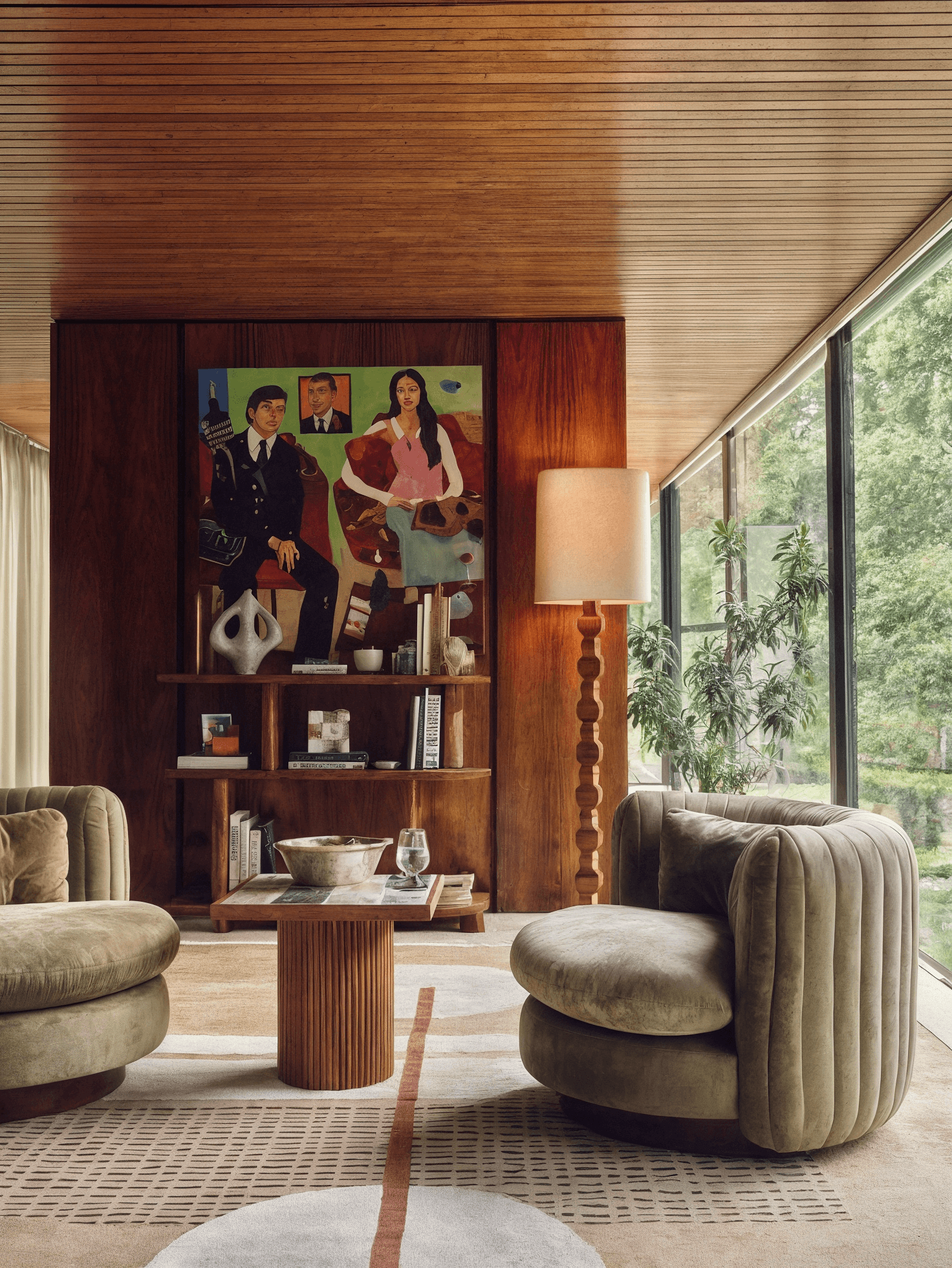
Photo Credit: Soho Home
Real-World Example: Hospitality
Boutique Hotels That Feel Like Private Homes
In hospitality, particularly boutique and luxury hotels, we see a clear departure from highly branded, uniform interiors.
Instead, successful projects lean into:
Local materials and regional craft
Residential-style layouts that prioritise comfort
Layered lighting and acoustics for calm, not drama
Guests increasingly value spaces that feel personal and grounding, not performative. Hotels that succeed in 2026 are those that feel less like destinations—and more like places you want to stay.
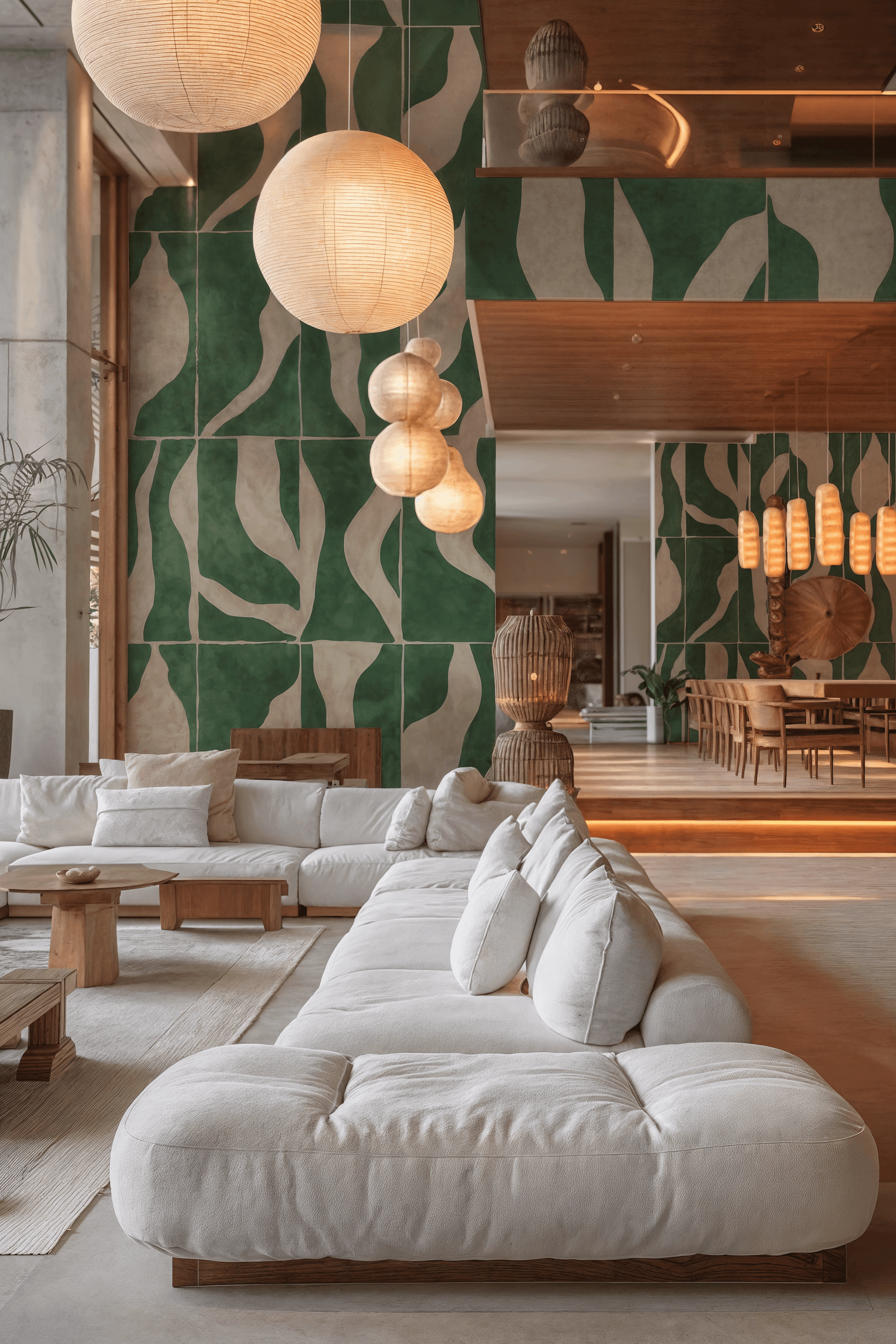
Photo Credit: Belarte Studio
Softer Forms, Human-Centred Spaces
Sharp lines and rigid minimalism continue to soften.
Curves are now less about sculptural statement and more about:
Ergonomics
Flow
Psychological comfort
Furniture and layouts respond to how people actually inhabit spaces—resting, gathering, pausing. The emphasis is on ease, not control.
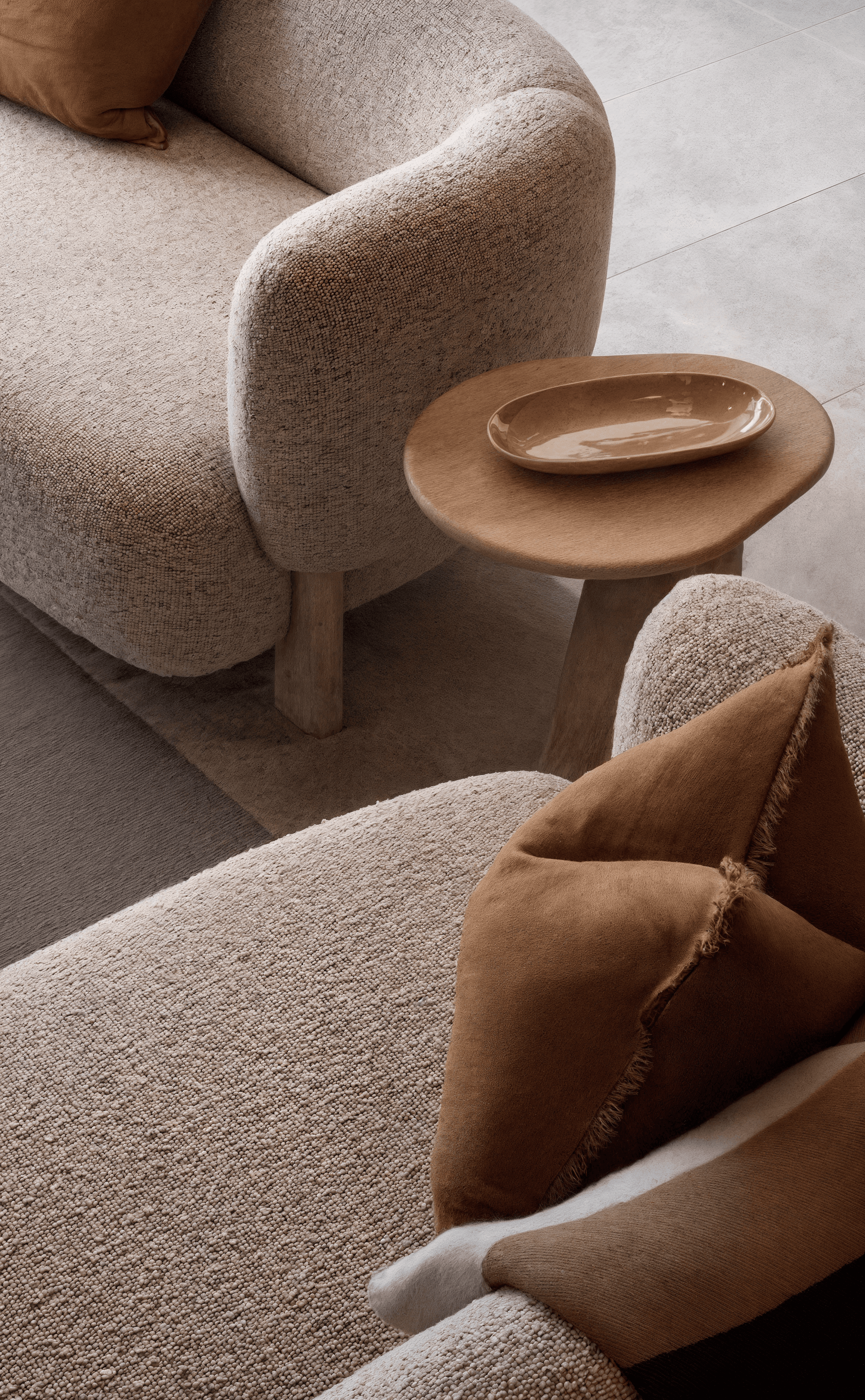
Photo Credit: Renegade Design Studio
Wellness as a Design Foundation
Wellbeing is no longer treated as a design feature. It’s the starting point.
In 2026, good design considers:
How light changes throughout the day
How sound travels through a space
How materials feel under hand and foot
How rooms support rest as much as activity
This isn’t about spa aesthetics. It’s about quiet support for everyday life.
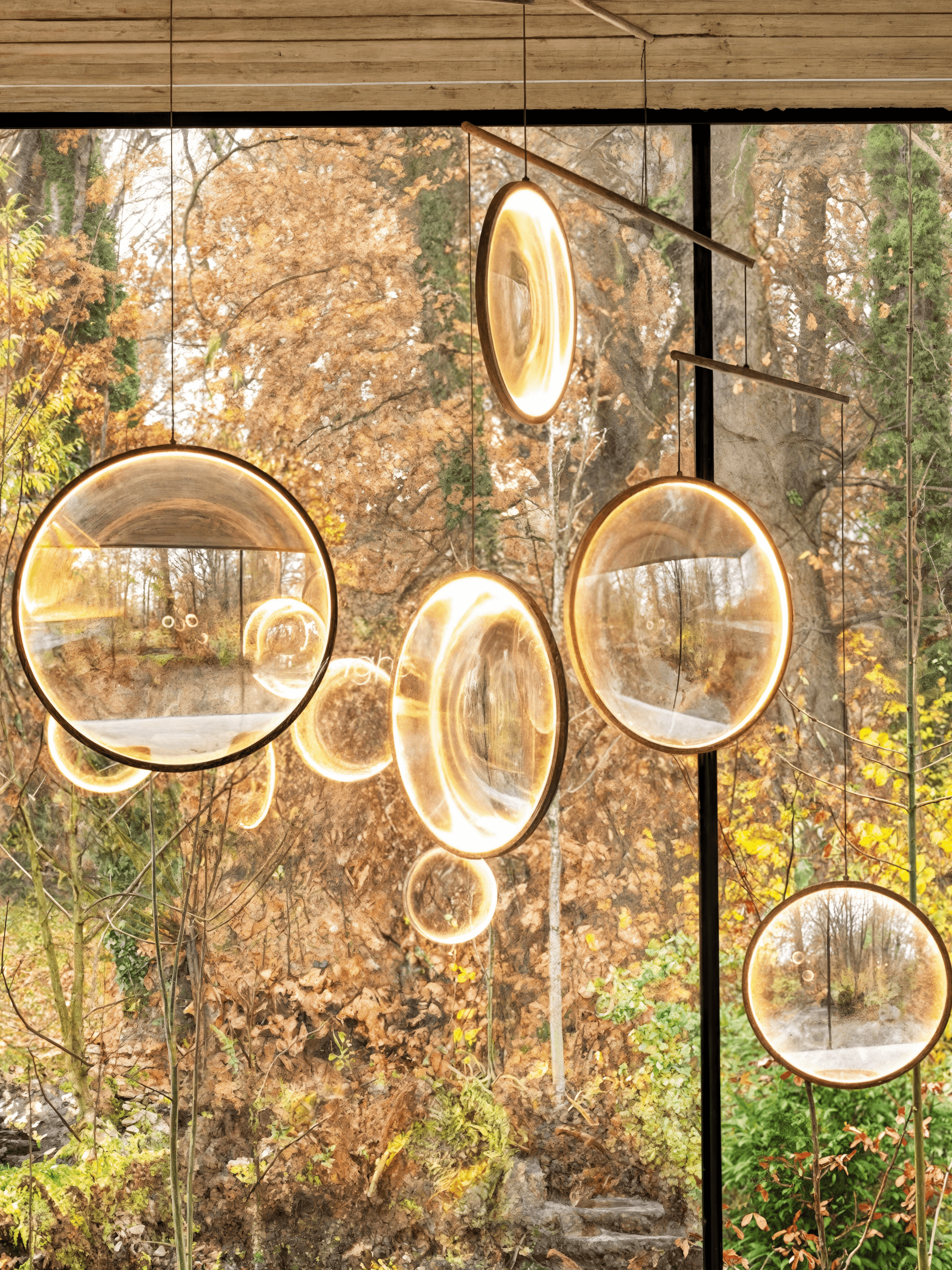
Photo Credit: Yuji Okitsu
What This Means for Clients in 2026
For clients, these shifts matter because they change how value is defined.
In 2026:
Timeless design outperforms trend-driven interiors
Material quality matters more than visual novelty
Emotional comfort becomes a measurable success factor
Spaces are designed to last, emotionally and physically
Good design is no longer about standing out.
It’s about standing the test of time.
The 2026 Design Perspective
Interior design in 2026 is calmer, deeper and more self-assured.
It prioritises:
Warmth over perfection
Story over style
Experience over image
At Txengo Studio, we see this as a natural evolution—one that aligns design more closely with how people live, travel and feel today.
Not louder.
Not faster.
Just more meaningful.