By Ju-Wei Chen, Creative Director at Txengo Studio
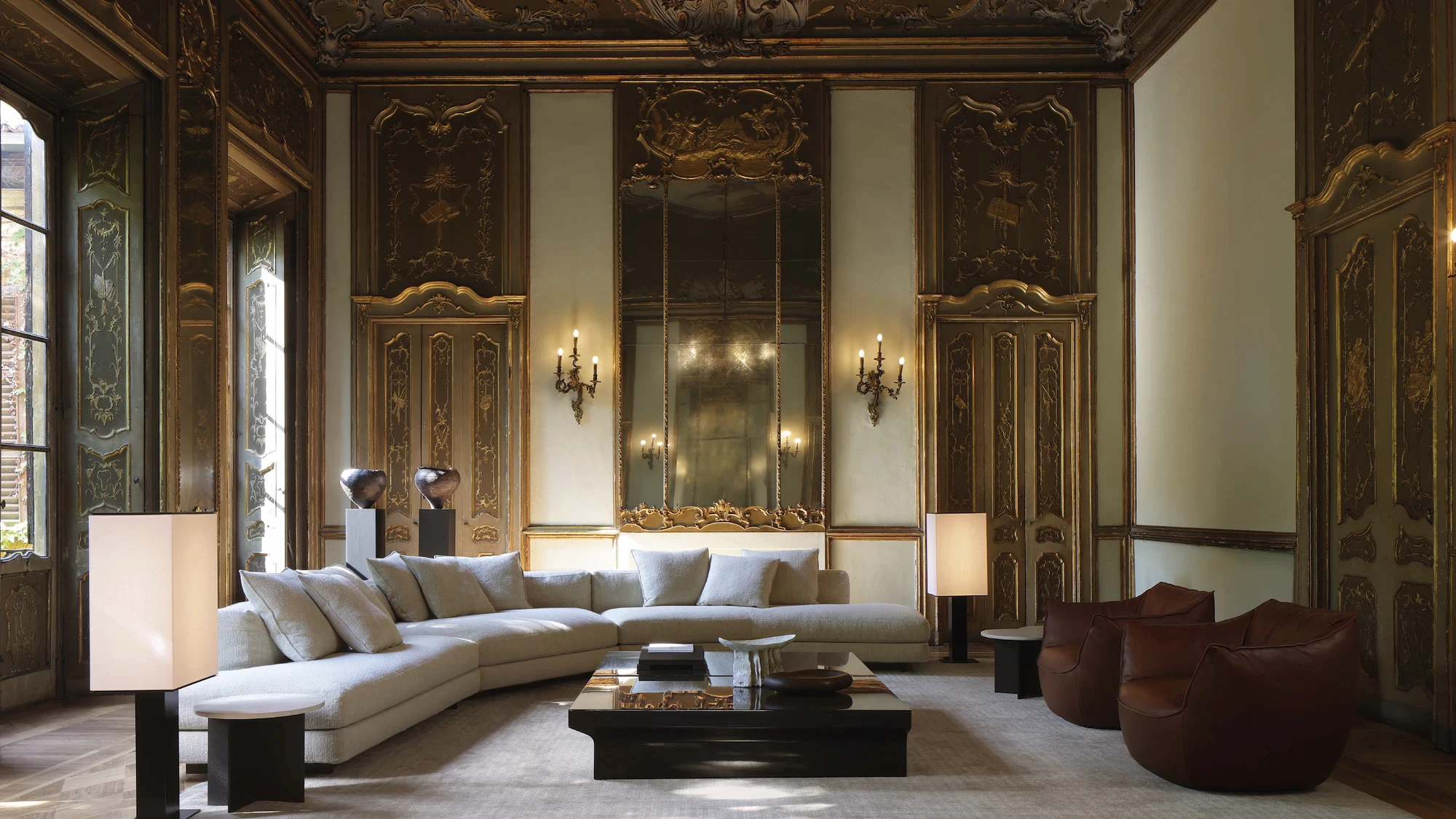
Title photo: Courtesy of Poliform
Returning to Milan
Work had kept me away, so this year I arrived with a clear intention, not just to see more, but to see differently.
Interestingly, I chose not to spend much time at Salone.
Instead, I focused on the city itself, the apartments, the independent designers, and the smaller exhibitions that sit outside the main stage.
Because part of understanding design is understanding why it exists in that place.
And Milan, as always, tells its own story.
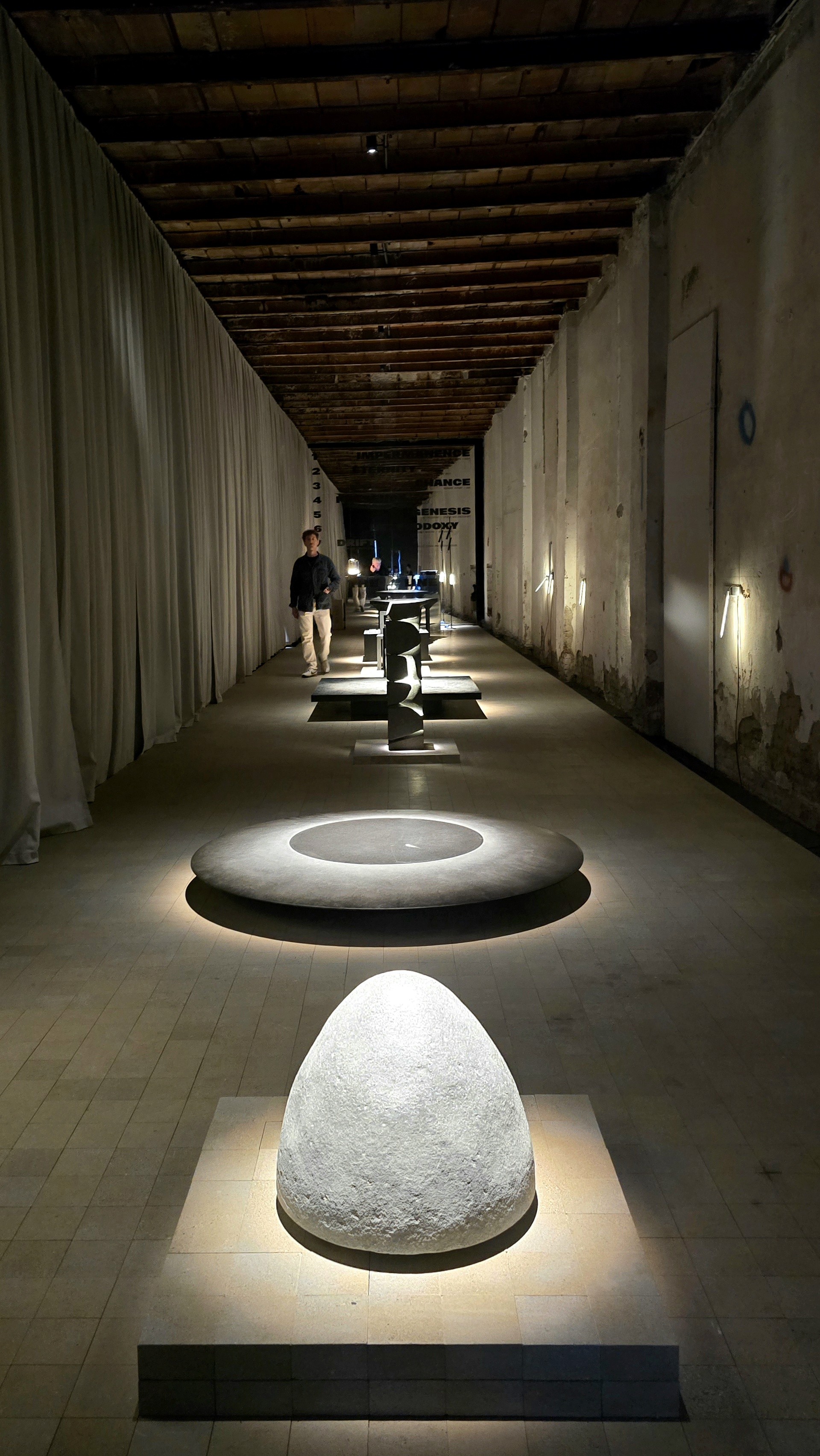
Photo: Casone, The Line
Beyond the Main Stage
Some of the most meaningful work isn’t always in the biggest halls.
Many independent designers cannot afford to exhibit at large-scale fairs but that does not make their work any less relevant.
In many ways, these smaller showcases feel more honest.
They remind us that design is not just about visibility,
it’s about expression, intention, and narrative.
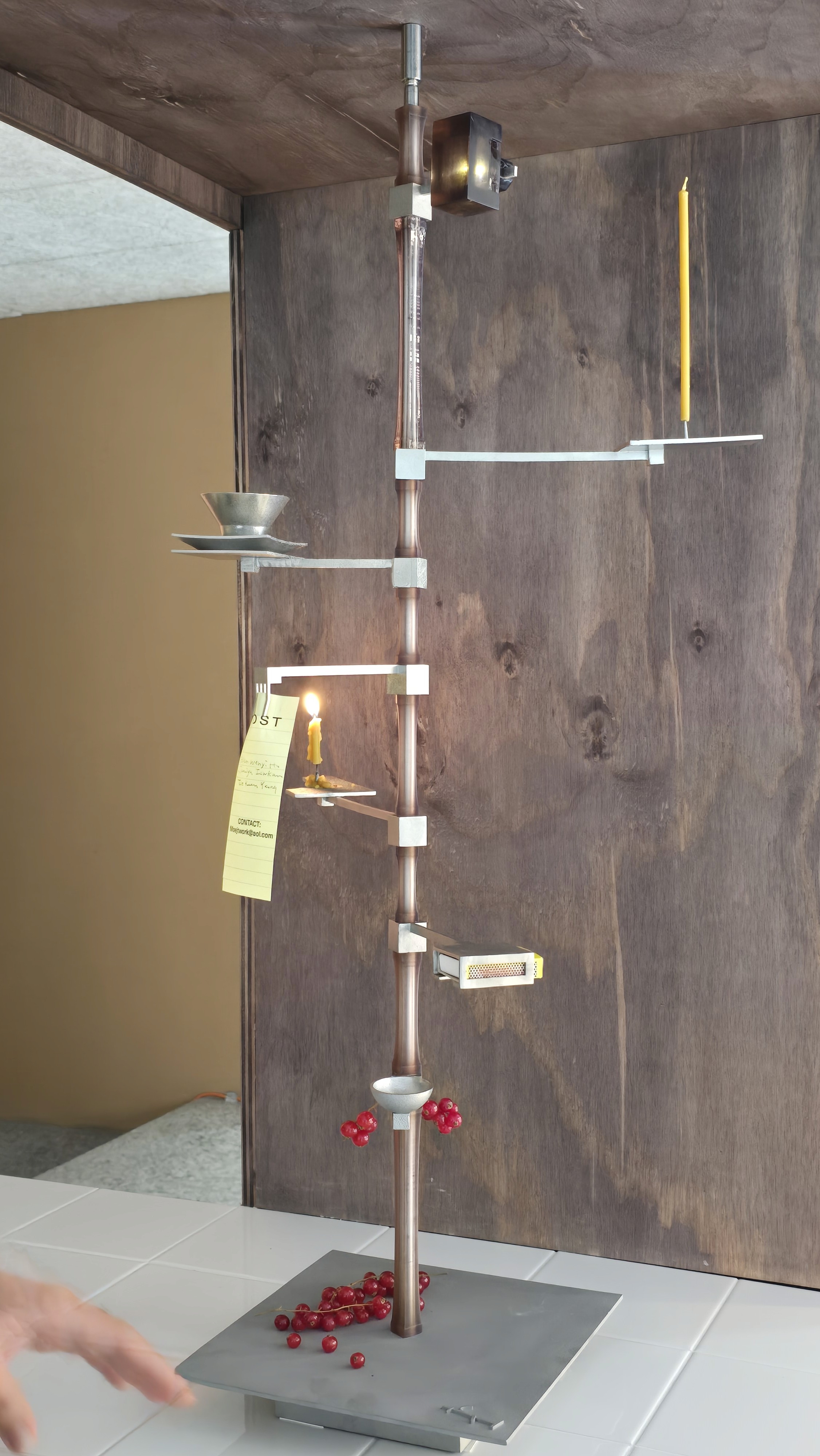
Photo: Missing Objects, Edition 2: The Kitchen
A City Driven by Attention
One noticeable shift this year was the scale of attention.
Queues were longer, access more curated, and social media played a bigger role than ever in shaping where people went.
It helps filter what to see but it also raises a question:
Are we all beginning to see the same things, in the same way?
Observations from 2026
Rather than defining trends, these are reflections, what stood out, and what stayed with me.
1. Metal as a Language of Contrast
Metal finishes are becoming more layered and expressive.
Across lighting, furniture, and joinery, there is a growing use of mixed metal combinations, polished with brushed, warm tones against cooler finishes.
It’s no longer about a single statement material,
but about contrast, reflection, and depth.
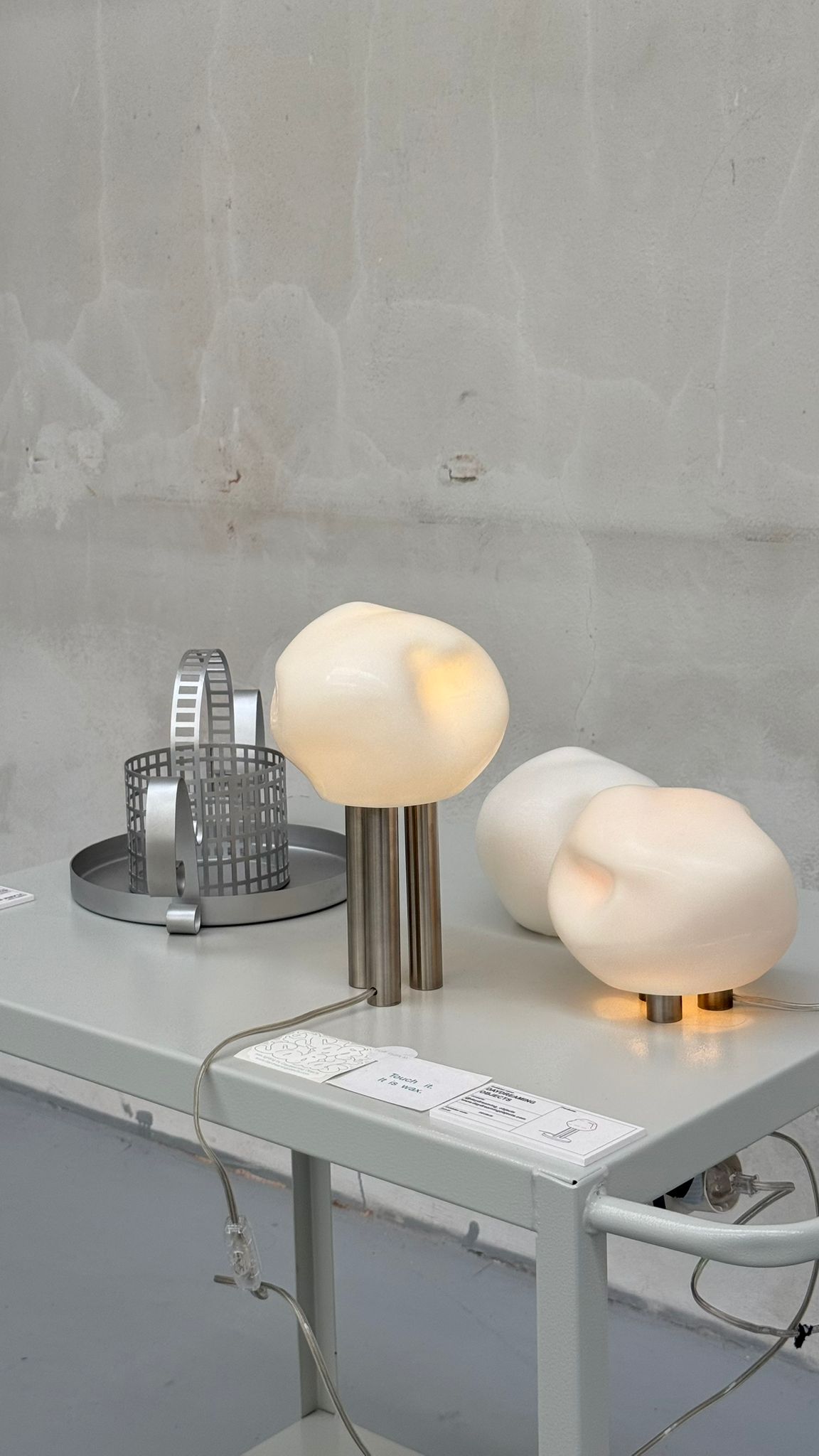
Photo: Deoron
2. Lacquer and the Perception of Luxury
Lacquer finishes continue to stand out.
There is something timeless about them, a depth, a precision, a sense of control.
While matte finishes often feel softer and more casual, lacquer holds a clarity that reads as intentional and refined.
It doesn’t rely on trend.
It holds its own presence.
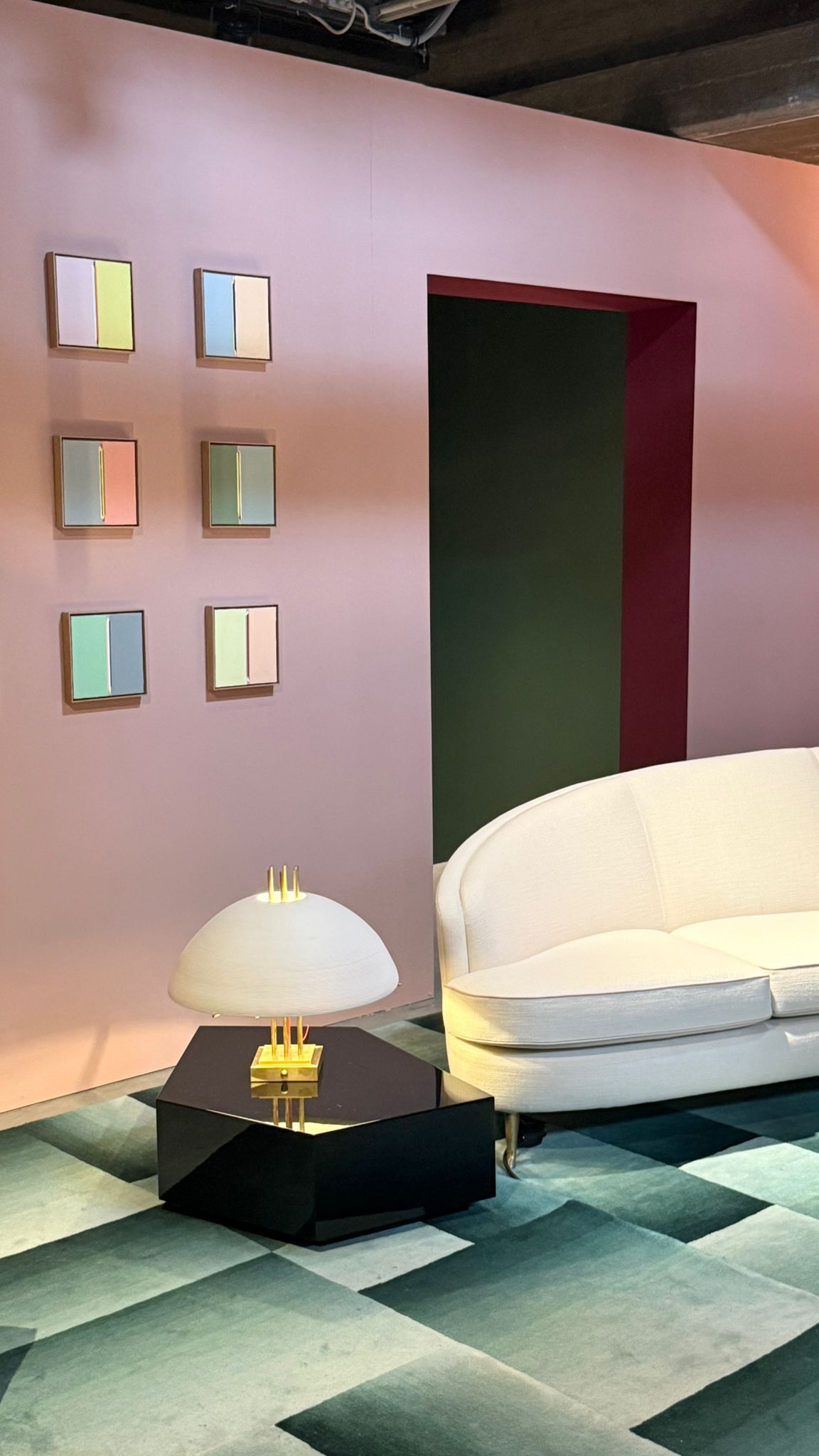
Photo: Nilufar Grand hotel
3. Experience Beyond Access
One of the most memorable moments wasn’t a product, it was an experience.
A four-hour queue to visit Casa Borsani, the iconic home of Osvaldo Borsani.
Standing there, experiencing it first-hand, was a reminder:
Some things cannot be bought, only experienced, and sometimes only once.
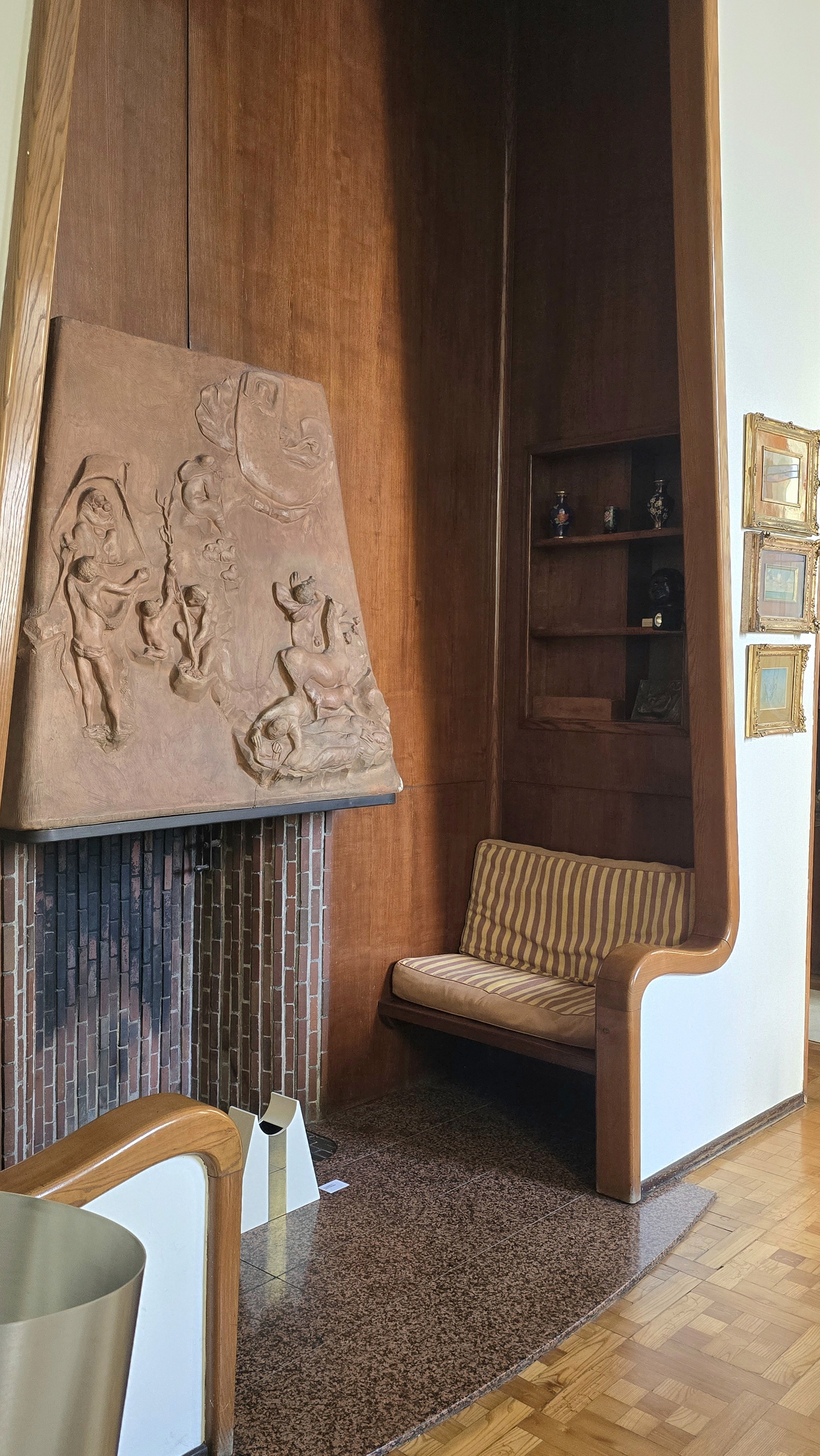
Photo: Casa Borsani
Equally memorable was visiting one of the historic villas curated by Alcova spaces that had remained closed to the public for decades.
And then there was Villa Prestianni , another moment we were grateful to have secured tickets for.
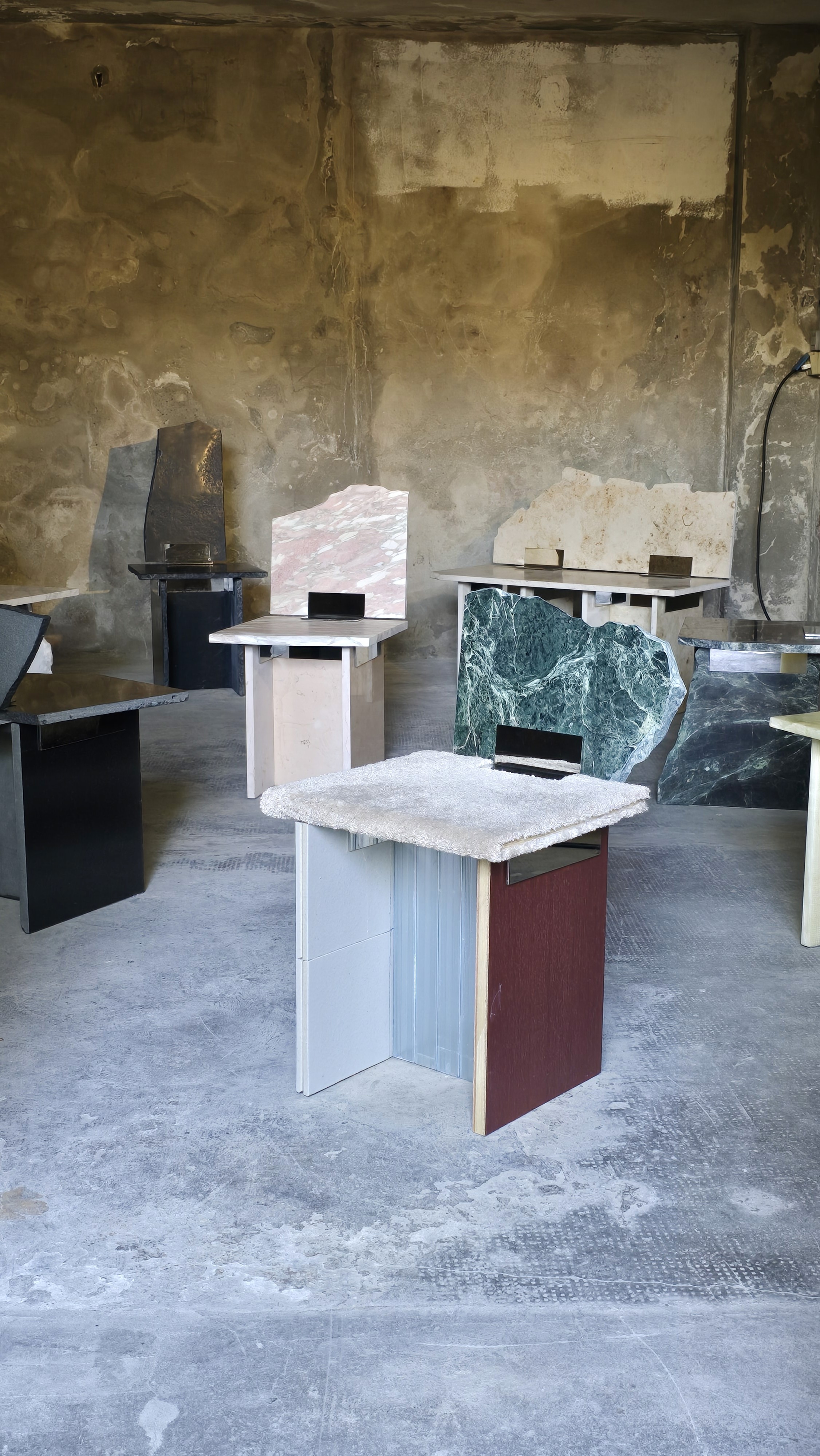
Photo: Villa Prestianni
These are the experiences that define Milan Design Week,
not just what you see, but what you are able to access, and how it makes you feel.
What Are We Really Chasing?
Milan always inspires but it also prompts reflection.
In an environment filled with newness, launches, and attention, the question becomes:
What are we really chasing?
For me, it’s not trends.
It’s longevity.
I’m drawn to:
pieces that last
ideas with depth
work that carries history and meaning
Because design is not just about what is new,
it’s about what continues to matter over time.
We are not chasing design, we are chasing meaning.
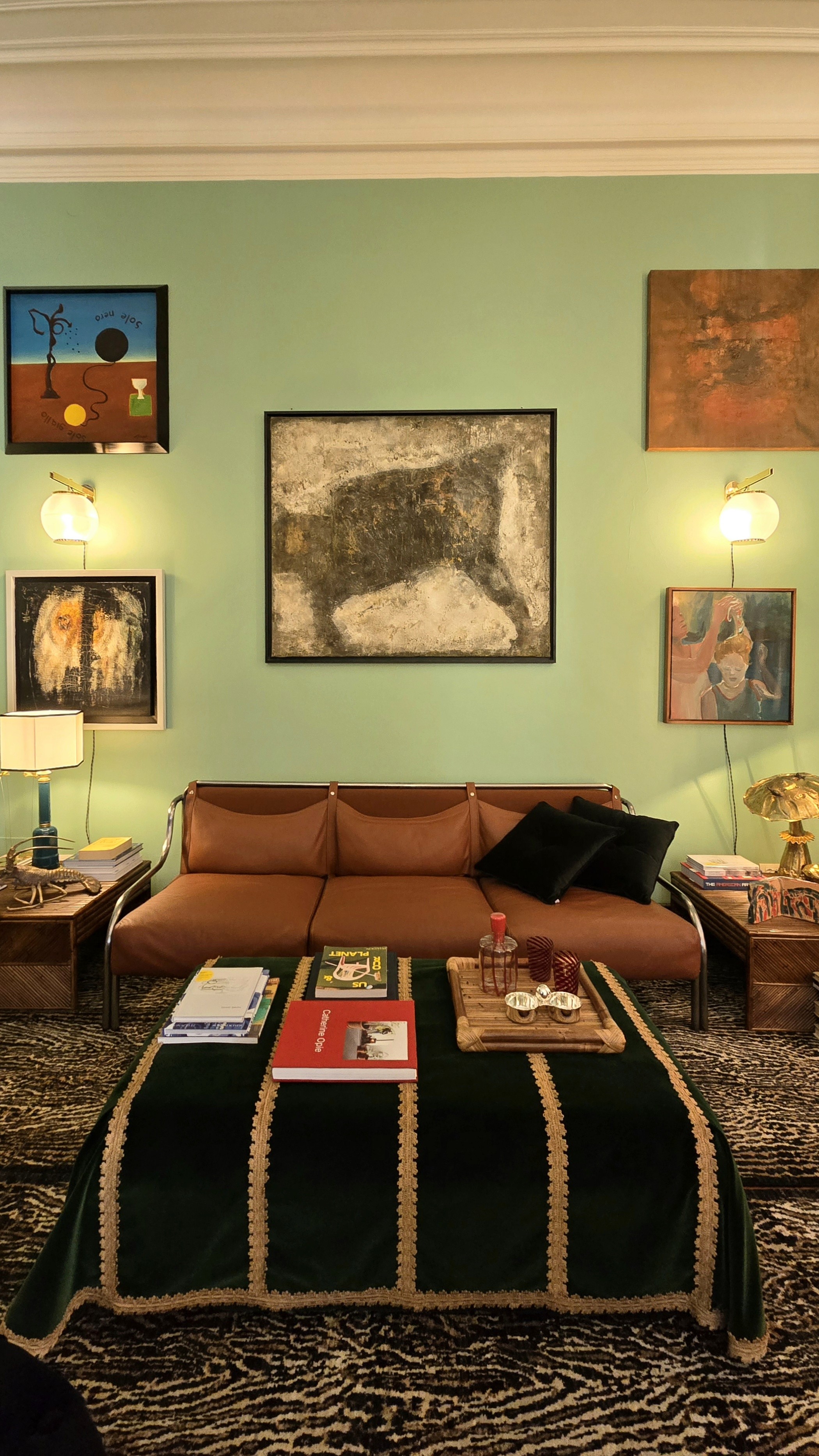
Photo: Artemest
The Role of the Show Apartment
The apartment exhibitions in Milan remain one of the most powerful formats.
They allow us to experience design not as isolated objects, but as complete environments.
They show:
how materials interact
how light shapes perception
how space is lived, not just viewed
And perhaps most importantly, they remind us that design is not just something we see.
It’s something we feel, remember, and carry forward.
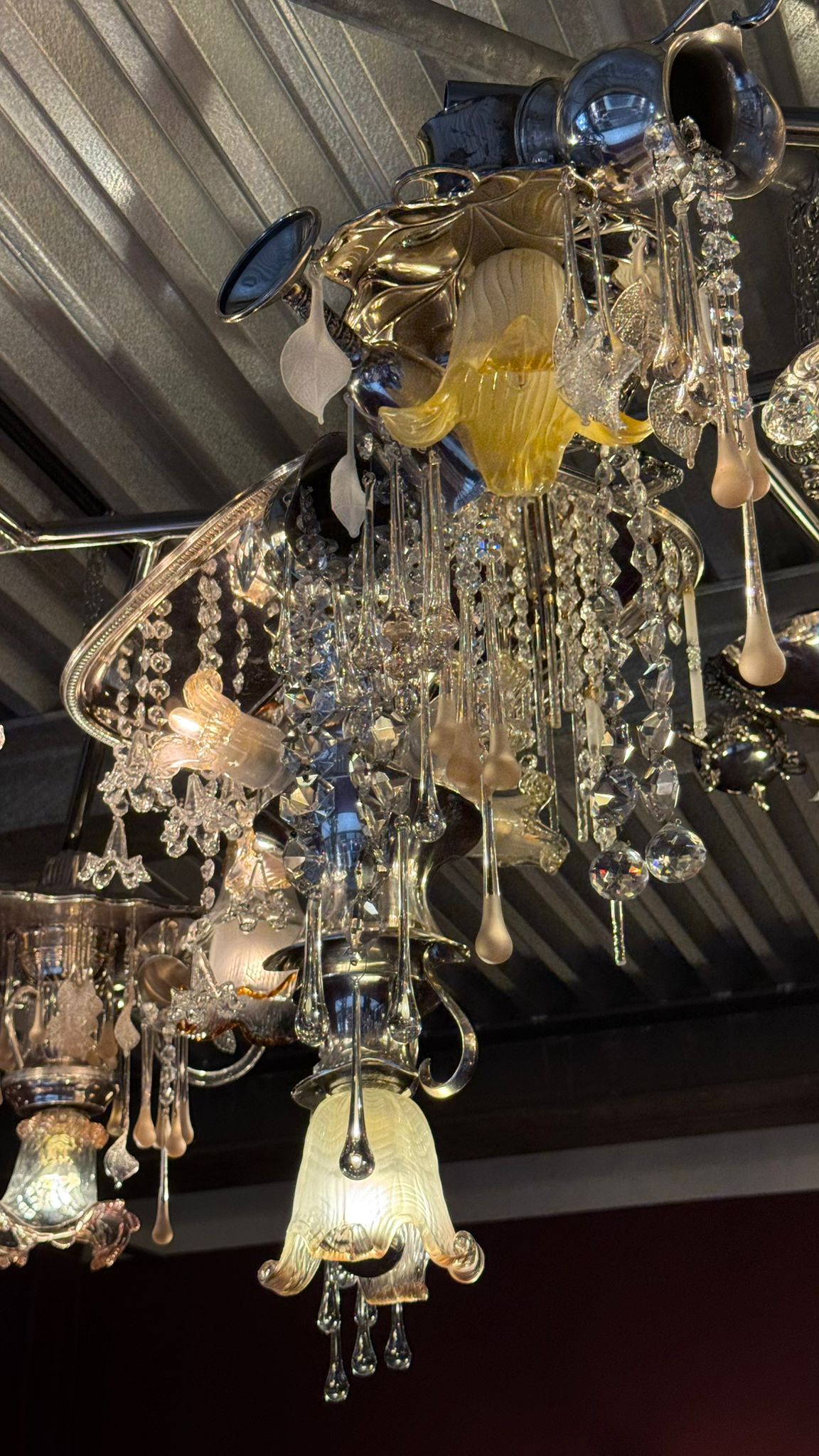
Photo: Nilufar Grand hotel
Final Thought
Milan Design Week is not just about discovering what’s next.
It’s about understanding what stays.
Because in the end, the most meaningful design is not what stands out in the moment but what continues to hold value over time.
And perhaps that is the real direction of design today, not more, but better. Not new, but meaningful.