By Ju-Wei Chen, Creative Director at Txengo Studio
Designing journeys, not transport
Luxury Is Being Redefined
For decades, luxury in travel was defined by speed, exclusivity, and efficiency.
Aviation transformed the way we move, turning long, slow journeys into something fast and optimised. Getting from A to B became the priority.
And for a long time, that was enough.
But today, something is shifting.
Luxury is no longer just about arriving faster.
It’s about how the journey makes you feel.
The Return of Slow Travel
Slow travel is often described as a trend. But in reality, it’s a return.
Before aviation, trains and ships were the experience. Travel was not separate from the destination, it was part of it.
My first real experience of this was in Switzerland. Watching the mountains and lakes move past the window, there was a sense of calm and romance that felt very different from flying.
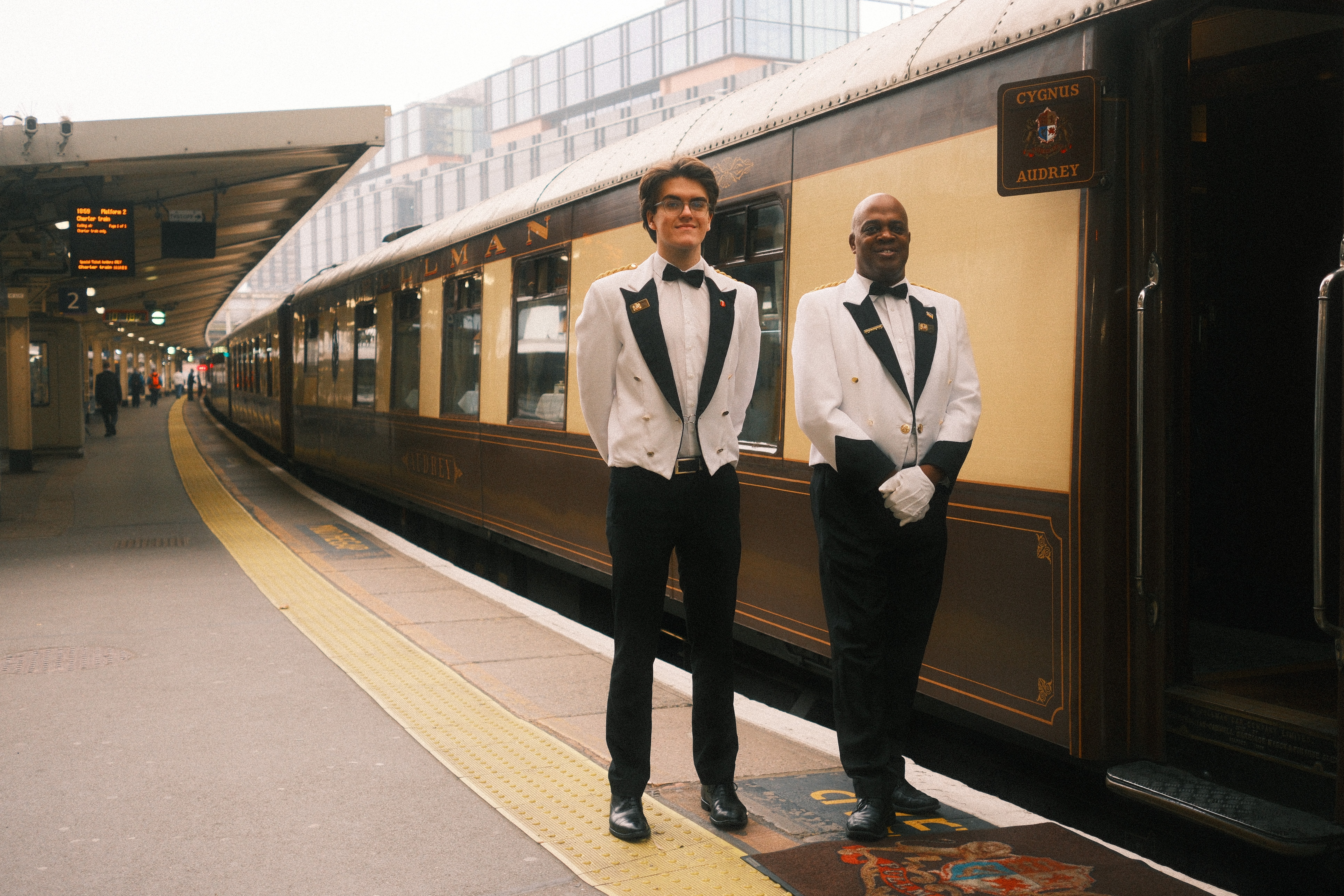
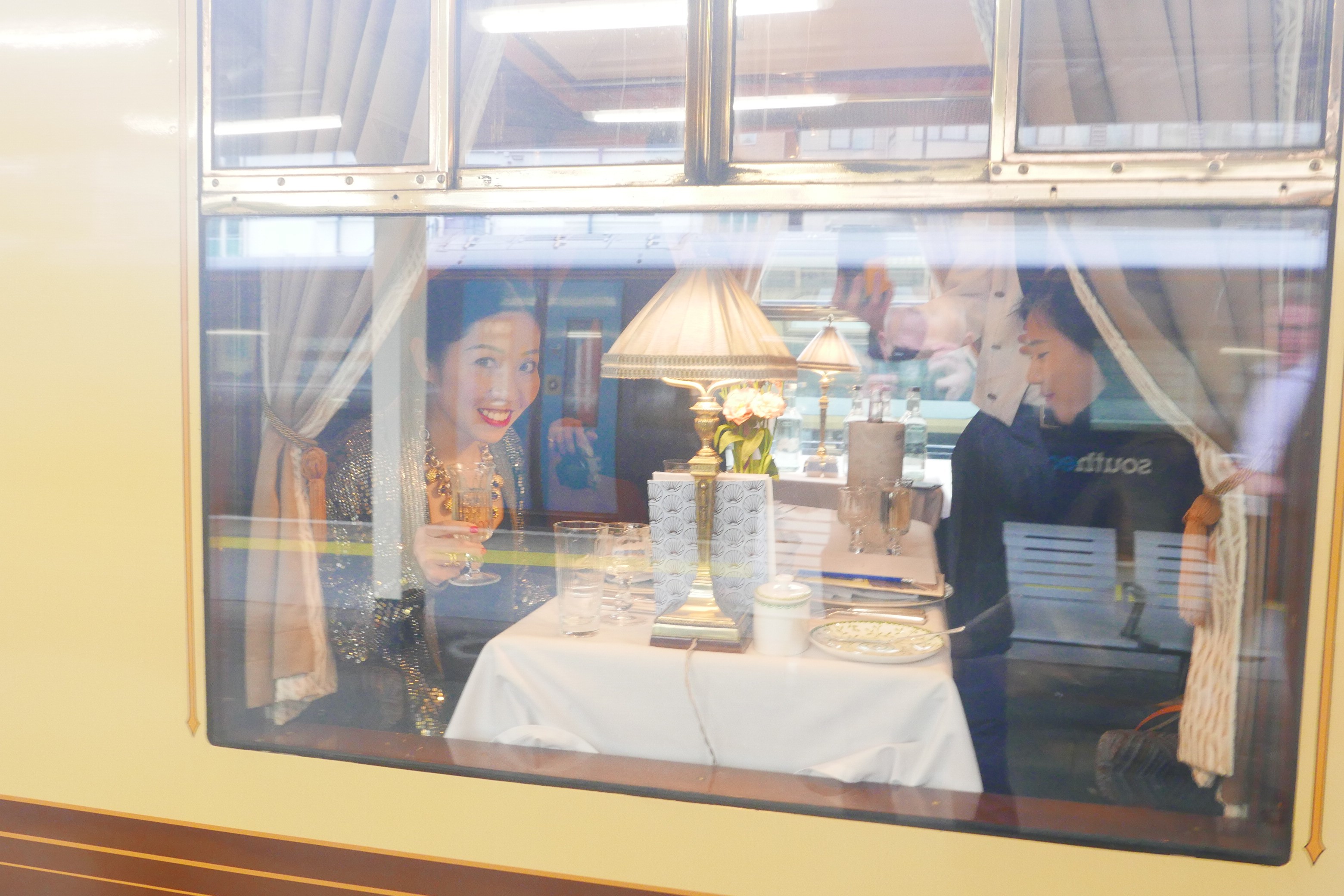
Later, experiencing the Belmond British Pullman reinforced that idea.
The journey itself became the destination.
Slow travel offers something that fast travel often cannot:
uninterrupted views instead of screens
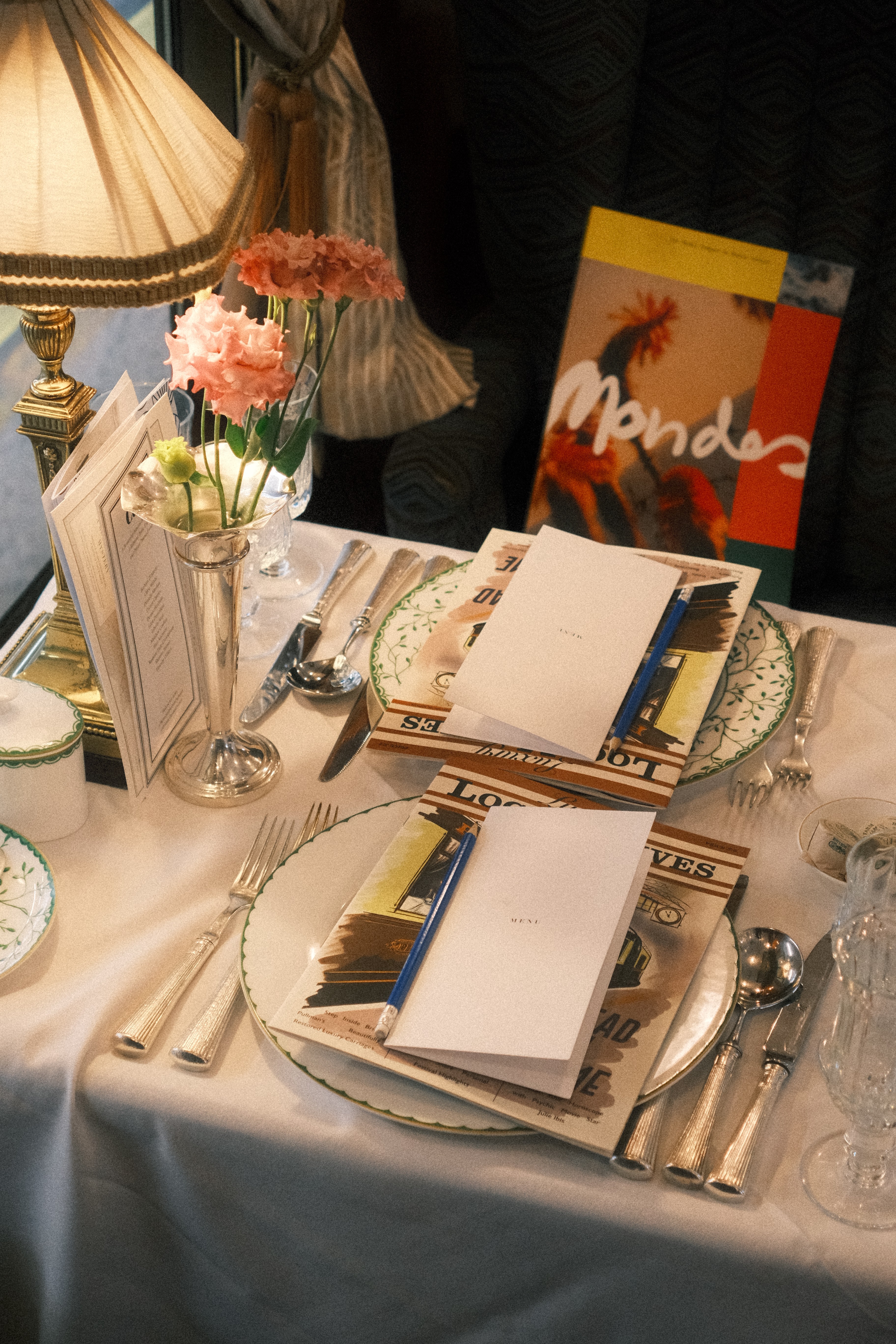
time for conversation over meals
a sense of progression rather than instant arrival
It’s not about slowing down entirely.
It’s about experiencing time differently.
Aviation Is Changing Too
But this is not a story of slow travel versus aviation.
Aviation is evolving as well.
Today, the experience is no longer just about the seat. It extends to:
in-flight entertainment (IFE)
food and beverage
lighting and cabin atmosphere
and increasingly, the airport lounge experience
In many ways, aviation is moving closer to hospitality.
The question is no longer just:
How quickly can we get there?
But:
How does the journey feel along the way?
From Transport to Experience
Across both aviation and slow travel, one thing is becoming clear:
The journey is no longer just transport.
It is part of the product.
In hospitality, we’ve always understood this.
People don’t remember every detail of a room.
They remember how a space made them feel.
The same applies to travel.
Whether it’s a train, an aircraft, or a hotel, the experience is shaped by:
how people interact
how space flows
how views are framed
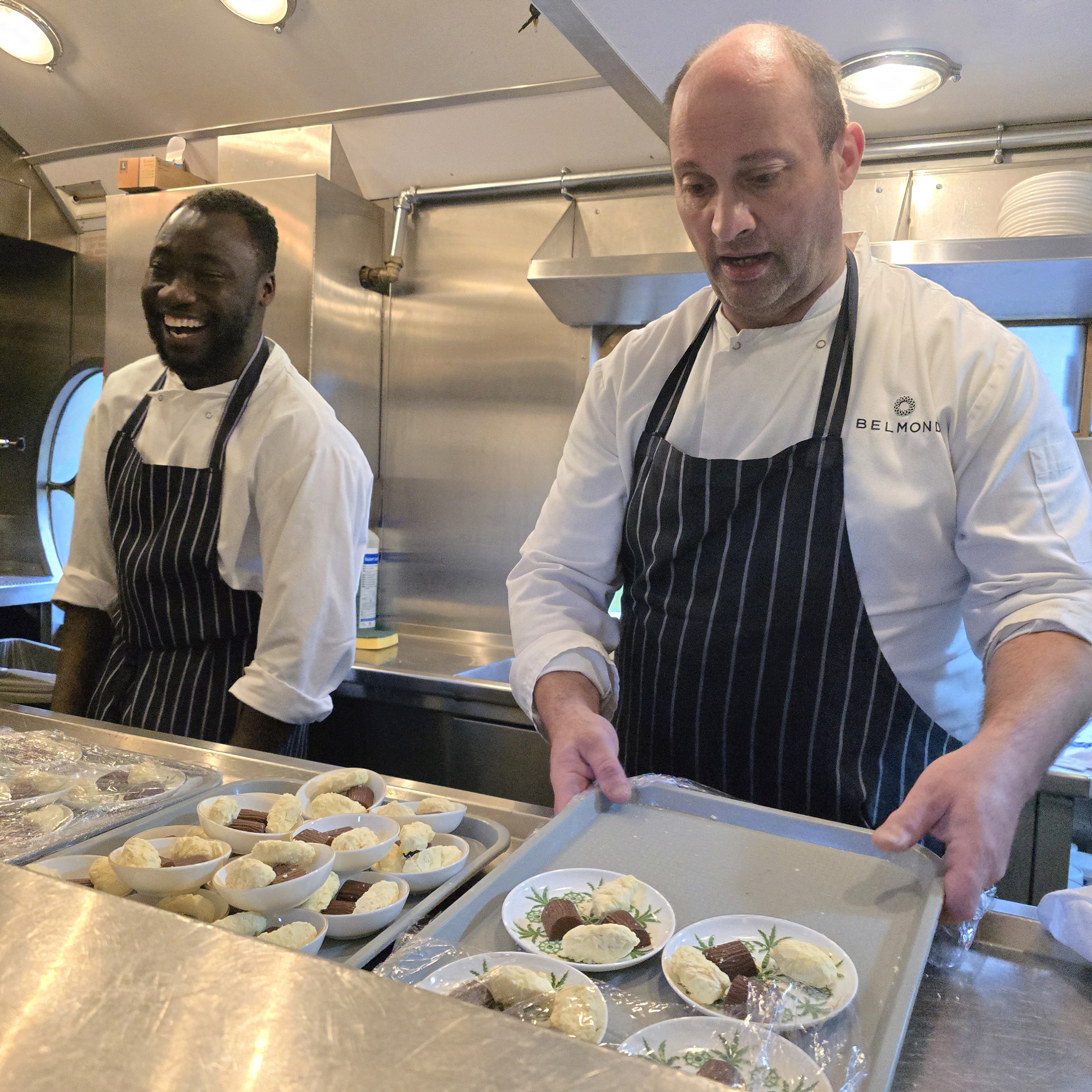
how service is delivered
Because ultimately:
Hospitality is how you make people feel.
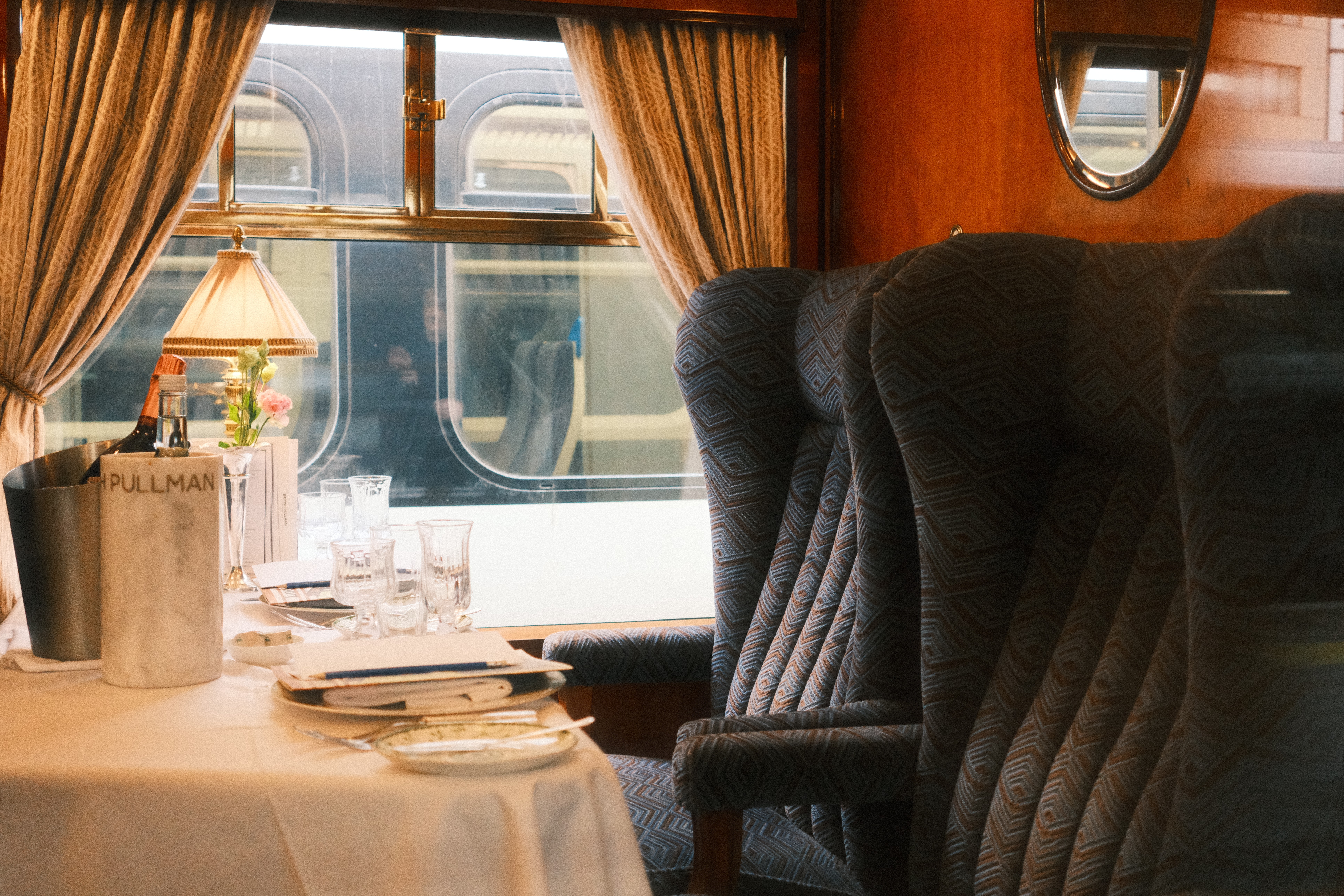
Why We Value Slow Travel
If aviation is faster, why are people choosing slower journeys?
Because value is changing.
People are not just buying transportation.
They are buying:
time
presence
memory
emotional connection
Slow travel allows people to disconnect from urgency and reconnect with experience.
It’s not about efficiency.
It’s about meaning.
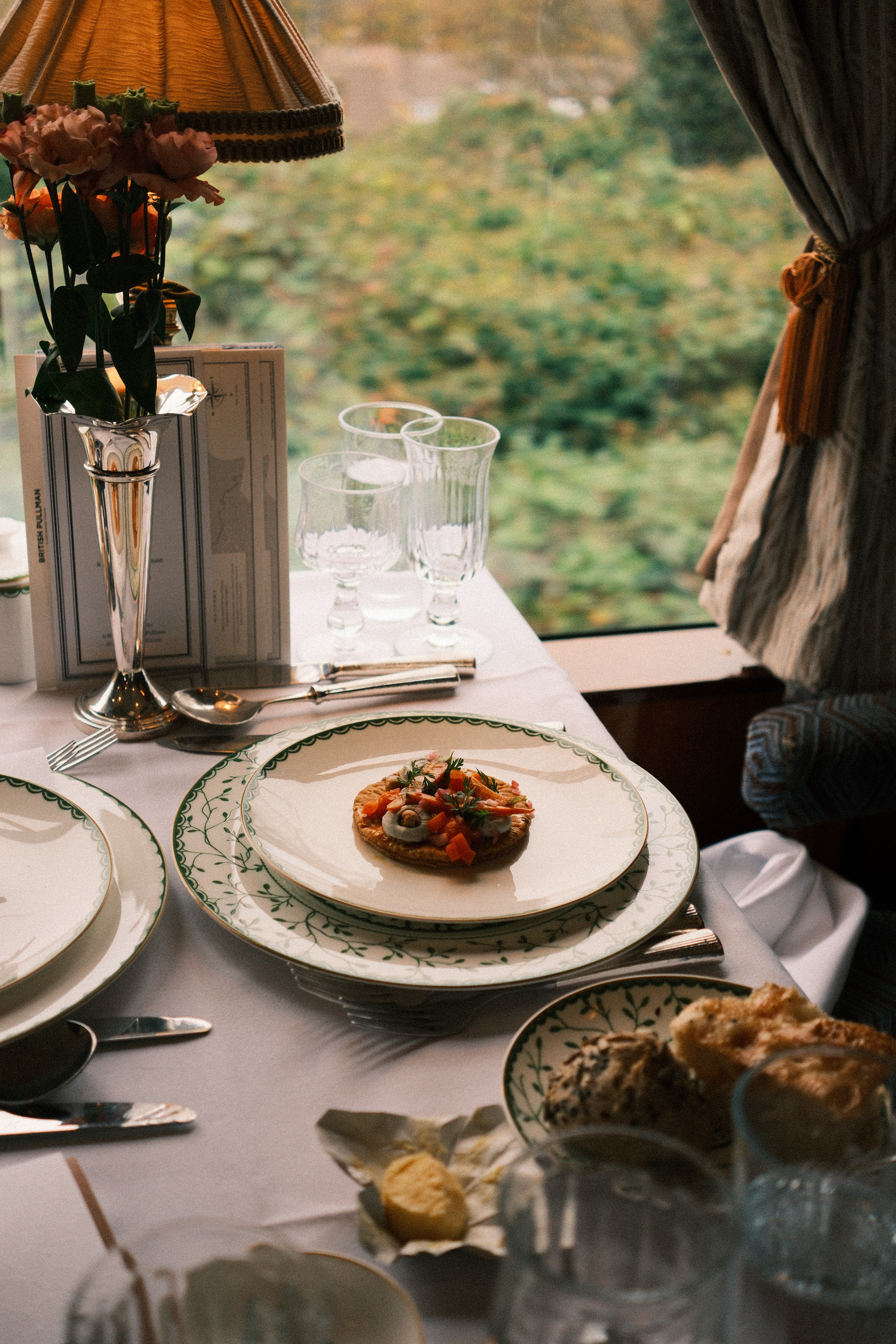
What This Means for Design
For designers, this shift is significant.
It means we are no longer just designing seats, rooms, or layouts.
We are designing:
journeys
behaviours
interactions
moments
Material choices, lighting, acoustics, and spatial planning all contribute to how a journey is experienced.
And perhaps most importantly:
If we design for luxury travel, we need to experience it ourselves.
Only then can we truly understand what matters to passengers and guests.
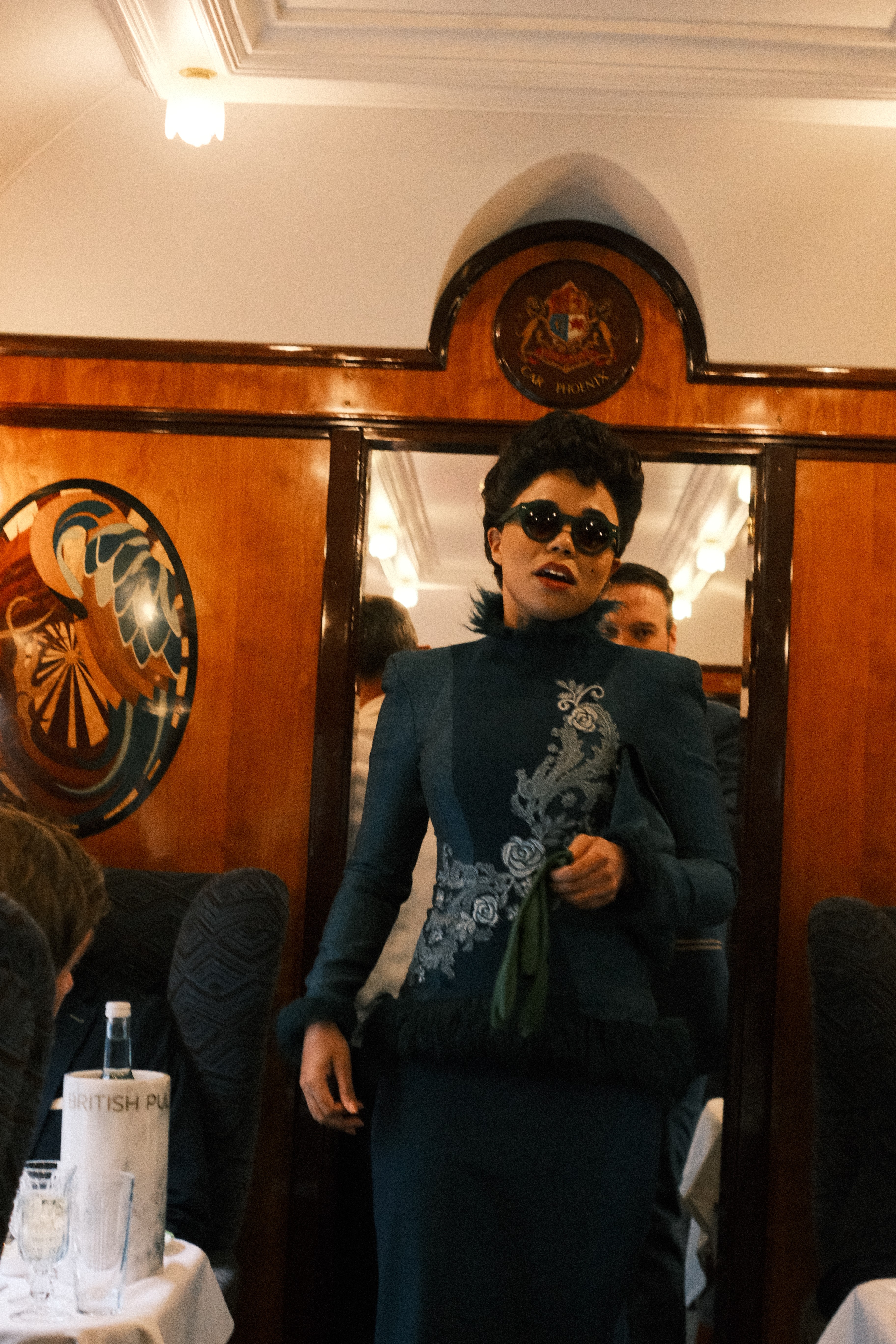
Experience Still Comes Down to People
Across all sectors, rail, aviation, hospitality, one thing remains constant:
People remember when someone genuinely cares.
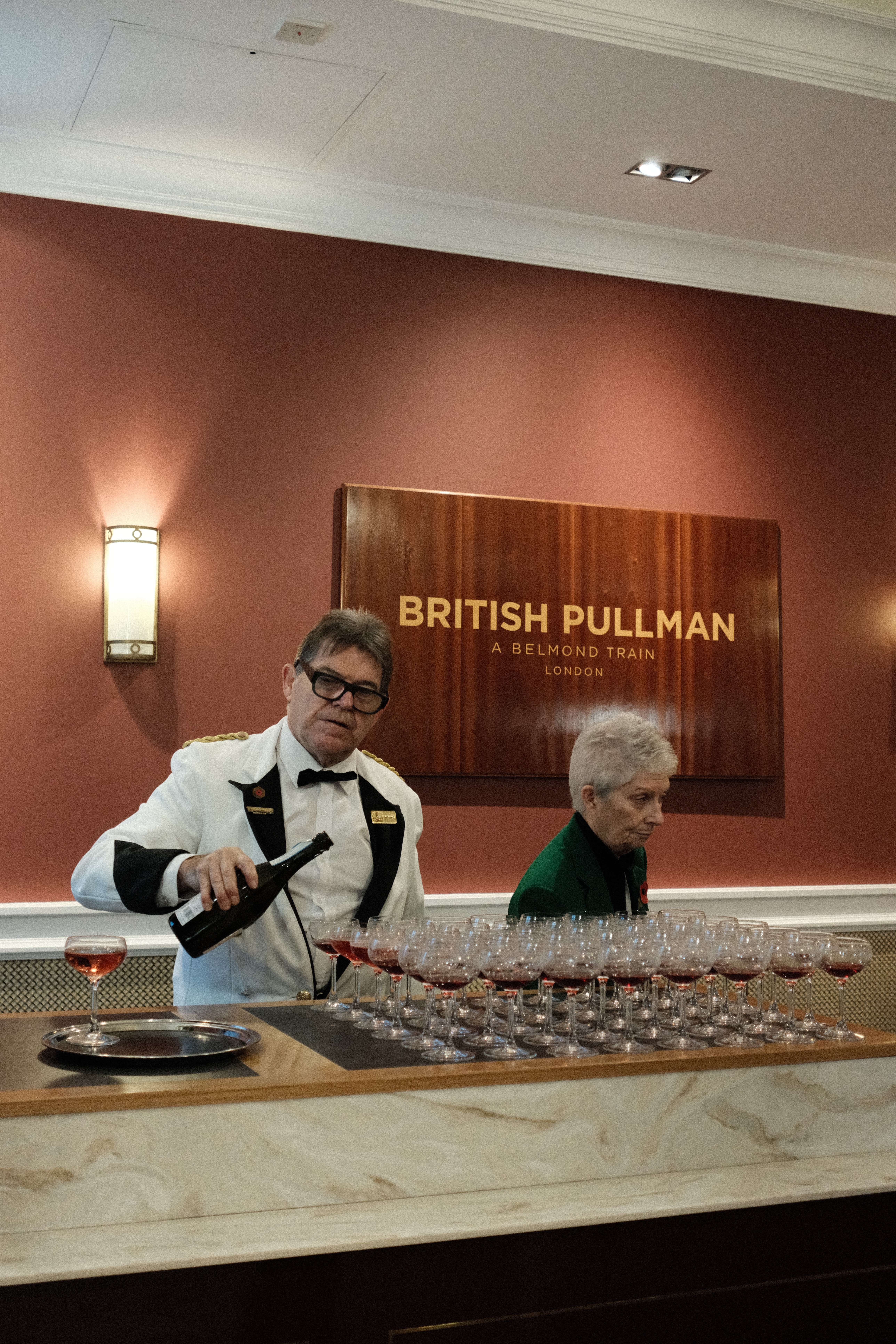
You can design the most beautiful environment, but without the right service, the experience doesn’t stay.
Service is what you deliver.
Hospitality is what people remember.
Txengo Perspective
At Txengo Studio, working across aviation, hospitality, and luxury travel, we see this shift clearly.
Travel is not slowing down.
It is evolving.
Luxury is no longer defined by speed alone.
It is defined by experience, emotion, and meaning.
And increasingly, the most valuable journeys are the ones that stay with you long after you arrive.
Final Thought
We used to ask:
How quickly can I get there?
Now, the question is changing:
How do I want to experience the journey?
Because in the end, luxury is not about getting there faster.
It’s about whether the journey was worth remembering.