By Ju-Wei Chen, Creative Director at Txengo Studio
Beyond Luxury: What I Took Away from GHT 2026
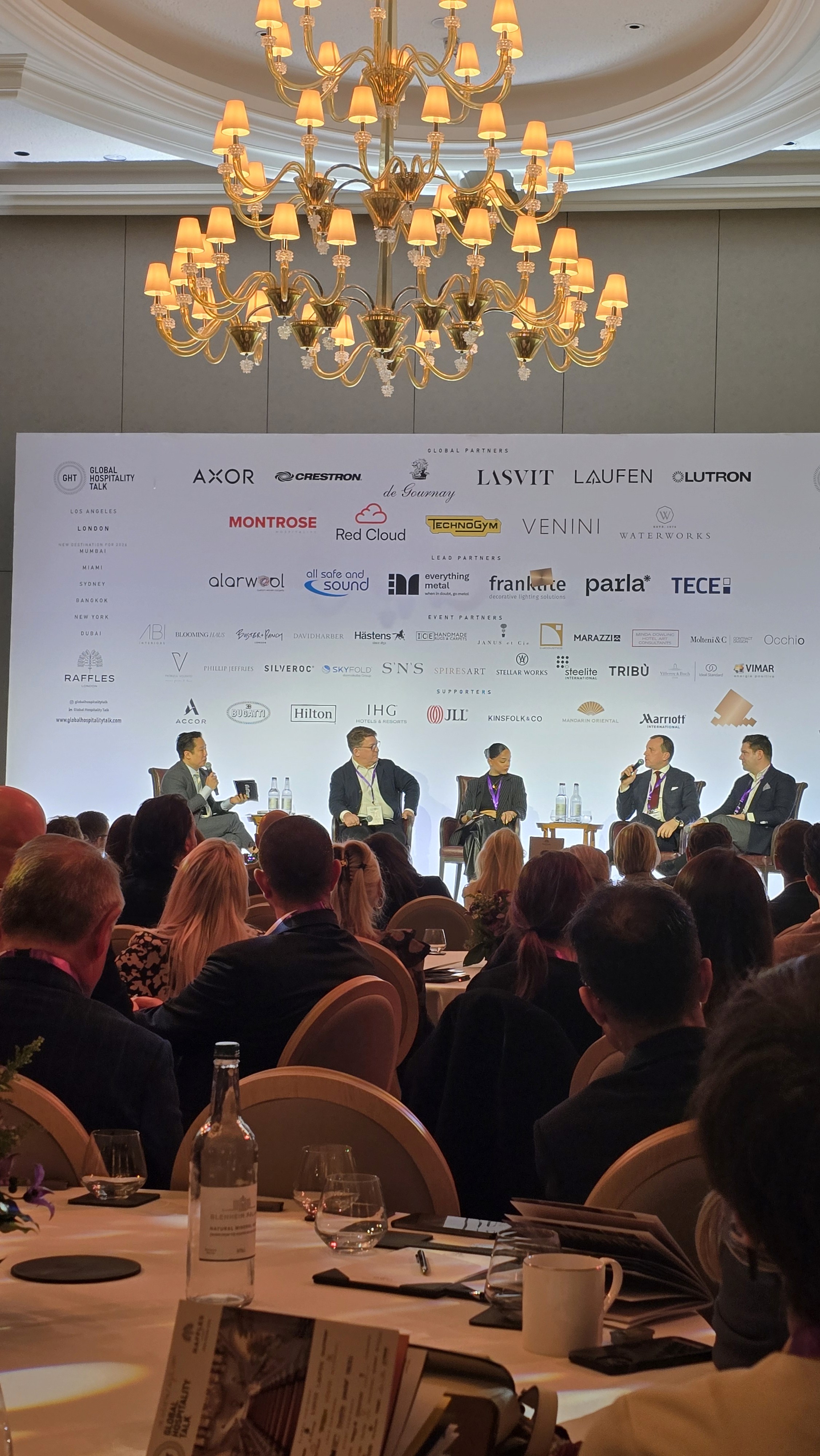
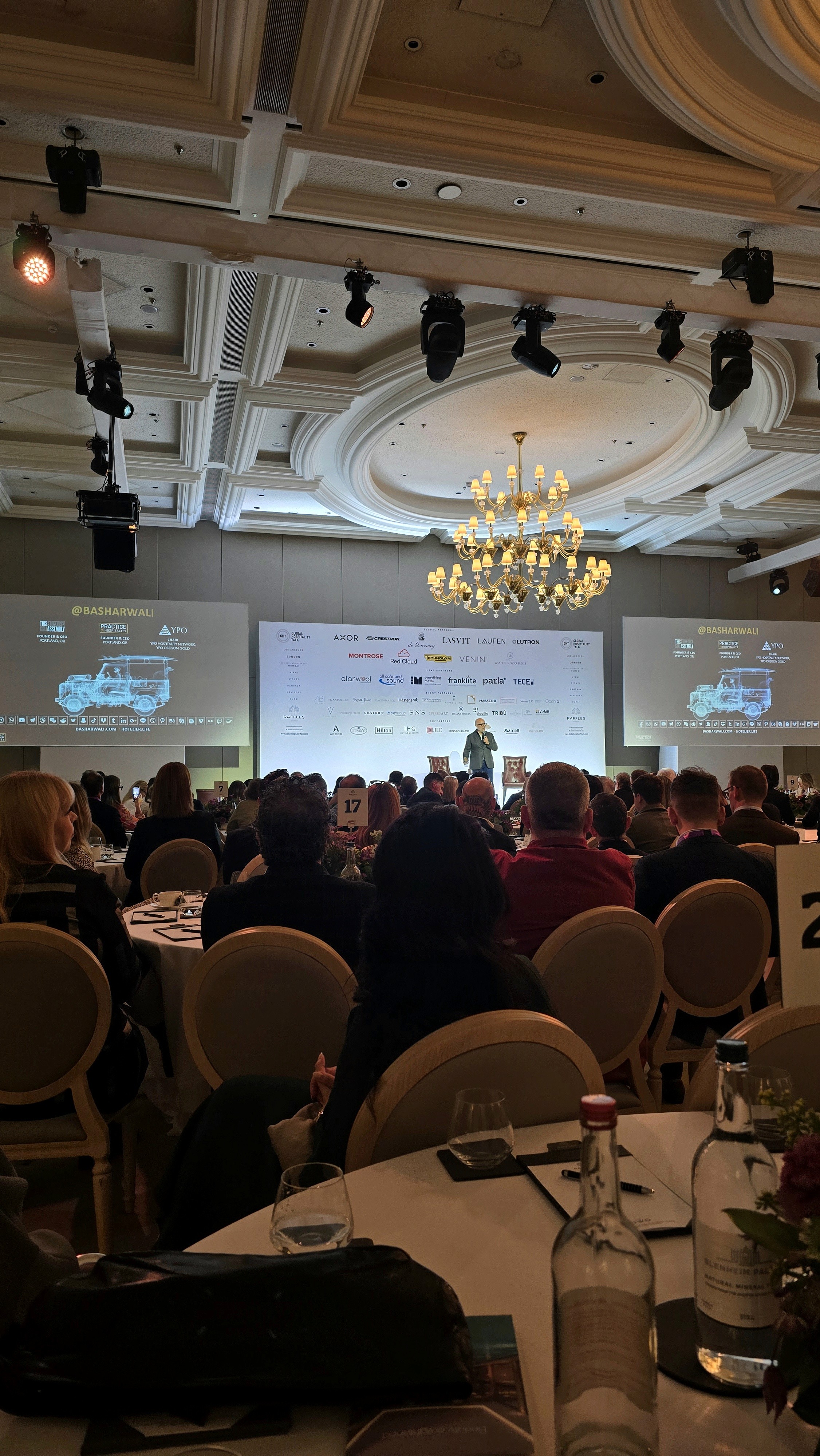
This month, I attended the Global Hospitality Talks (GHT) in London.
As always, the programme was inspiring but what stayed with me wasn’t just trends or design ideas. It was something more fundamental: why we design, and how hospitality is ultimately about people, not just places.
Why: Designing Beyond the Surface
One idea came through clearly, hospitality today is no longer about creating something that simply looks beautiful.
It’s about creating something people can feel.
Design is becoming more interactive, more human, and more experiential. It’s not just about creating memories, but about prompting curiosity, conversation, and connection.
Hospitality today is a lived experience, something that stays with you, and sometimes even changes you.
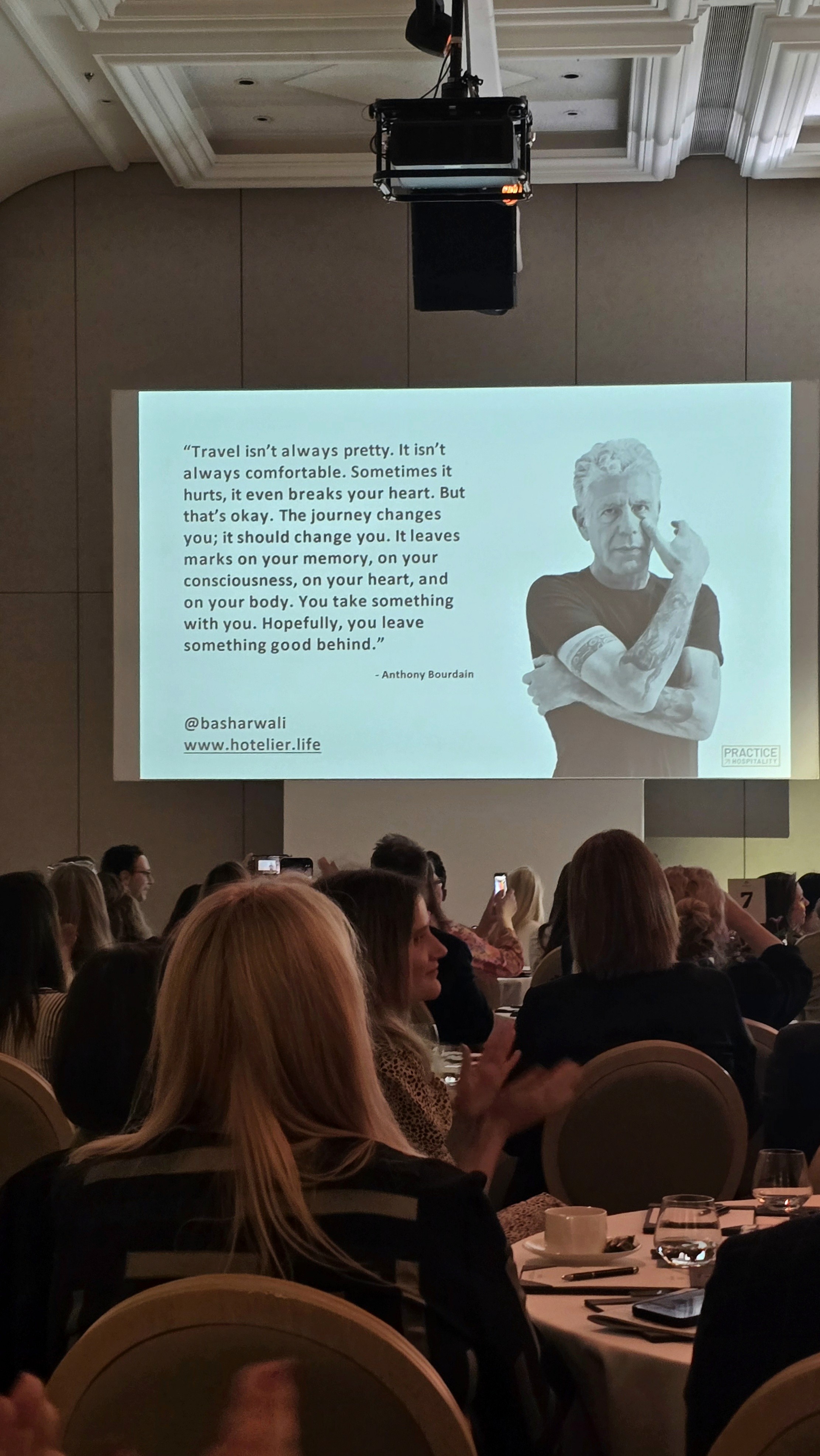
As Anthony Bourdain once said:
“Travel isn’t always pretty… but the journey changes you.”
That idea feels increasingly relevant to how we design spaces today.
How: Designing with Context and Community
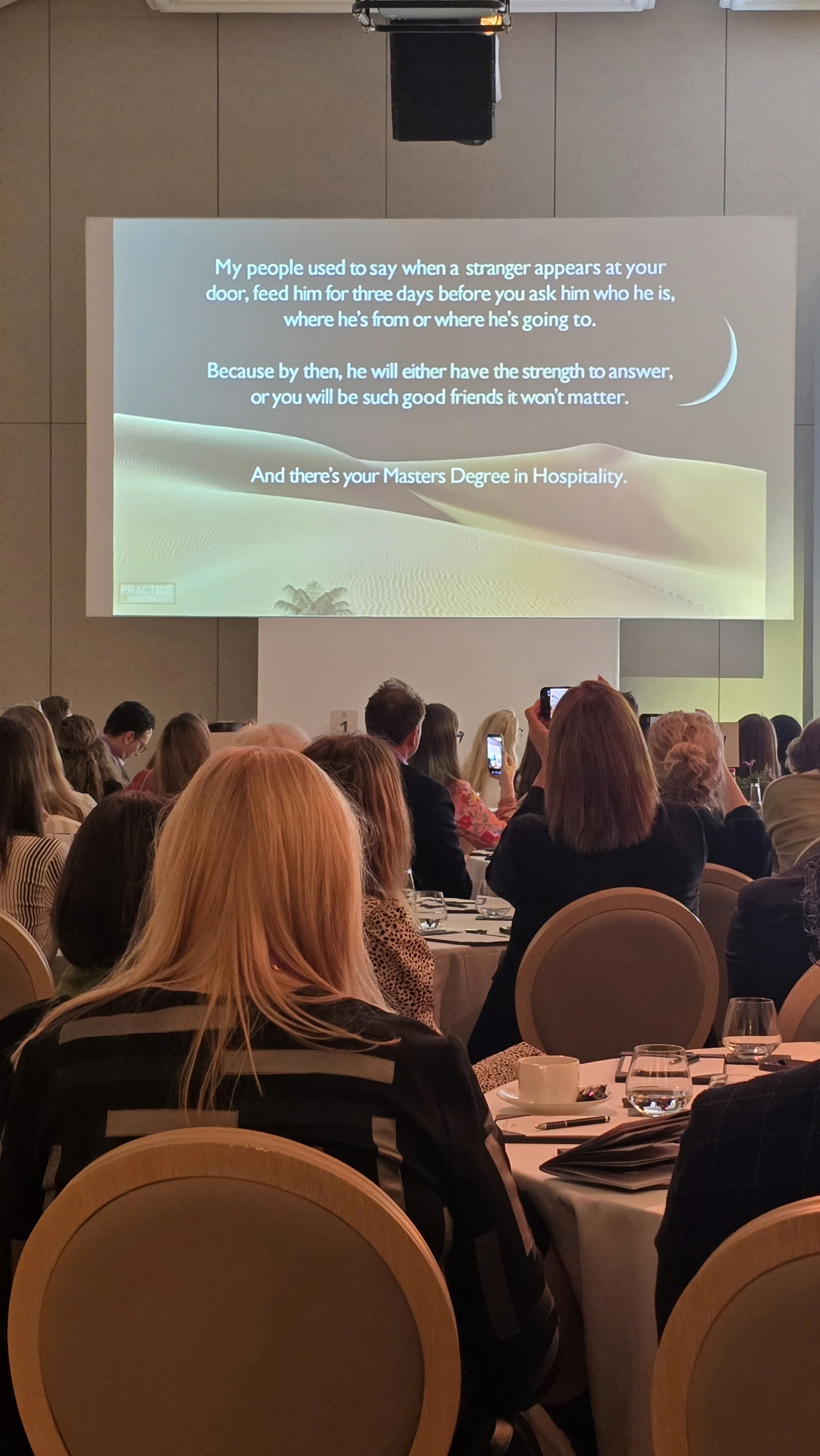
A strong theme across the talks was the importance of context.
Hospitality design is no longer just about the building itself. It’s about the history of the neighbourhood, the local community, the people working within the space, and the lifestyle it supports.
Details: materials, textures, finishes become more than aesthetic choices. They become part of a larger story.
Equally important is the human side of hospitality. Creating opportunities, building teams, and shaping a culture behind the scenes are just as critical as the physical design.
Because in the end, you’re not just designing a hotel, you’re shaping an experience people will remember.
Luxury Is Evolving
Luxury today is shifting away from perfection.
In fact, a certain level of imperfection can make a space feel more real, more human, and more memorable.
It’s about taking guests on a journey, emotionally as well as physically.
At the same time, there is a growing need to balance ambition with reality. As designers, we often have to guide conversations with owners ensuring that the experience is not only emotionally compelling, but also commercially viable.
Great hospitality sits at the intersection of experience and business.
Design: What Matters Now
Several key principles stood out:
Spaces should feel inclusive and welcoming, designed for all ages and types of guests
Material choices have a direct impact on how a space is experienced
Interaction happens in the details, lighting, touchpoints, and spatial flow
Design should respond to architecture, not compete with it
Originality matters more than following trends
There is also a growing shift towards reducing digital barriers. Less reliance on automated check-ins, and more emphasis on human interaction, is becoming increasingly valuable.
What We Should Be Careful Of
Some of the most valuable lessons came from what not to do.
Renders, especially AI-generated ones cannot fully capture real experience. Materials, light, and spatial quality must be understood physically, not just visually.
Over-specifying or over-spending does not guarantee a better result. What matters is choosing what is appropriate for the project, not what is simply more expensive.
Good design is not about doing more, it’s about doing the right things well.
Looking Ahead
Industry insights suggest that the hospitality market will continue to polarise, with high-end luxury growing, while mid-market offerings face increasing pressure.
This makes design decisions even more critical not just aesthetically, but strategically.
The Core of Hospitality
One idea stayed with me throughout the event:
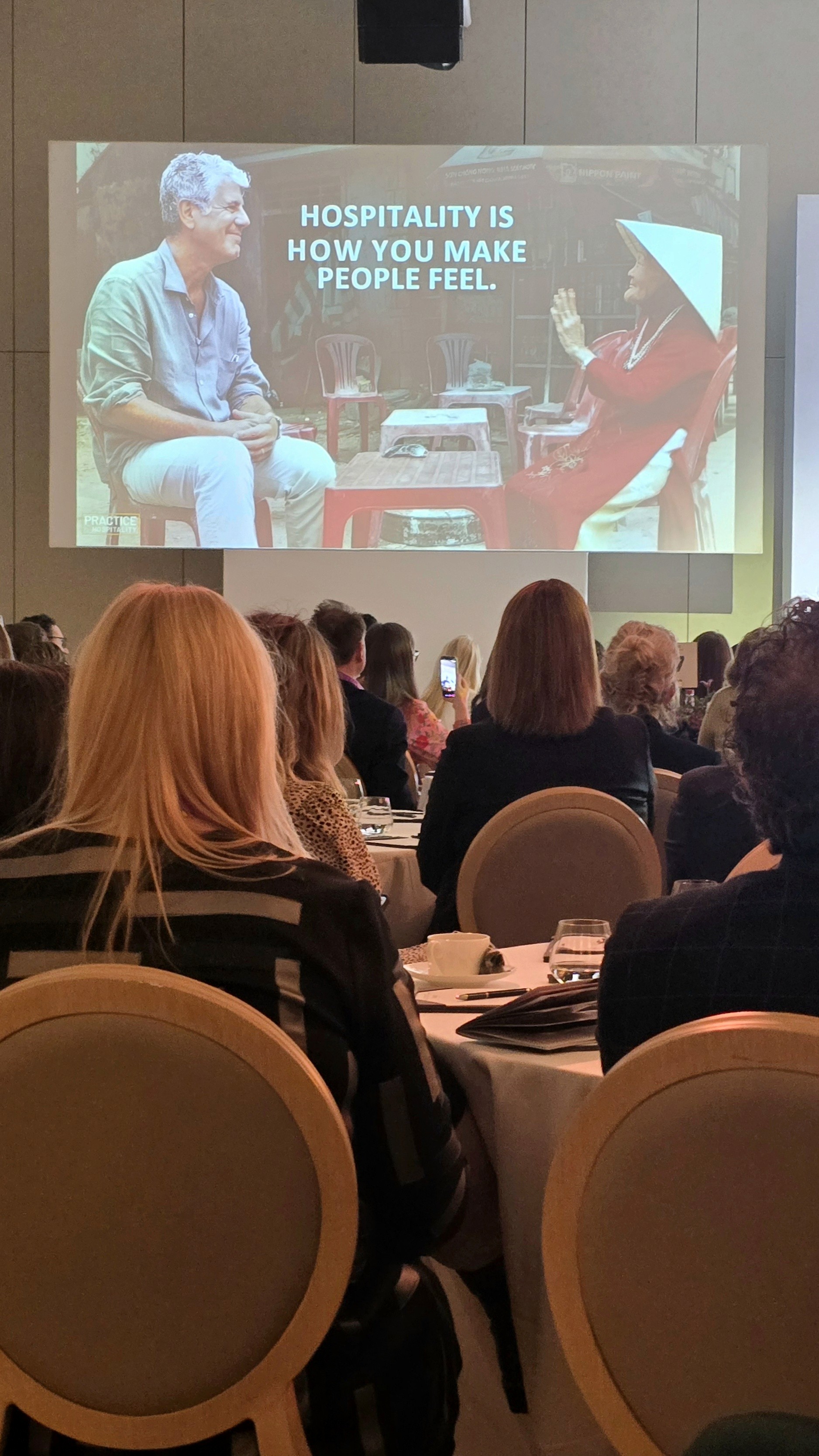
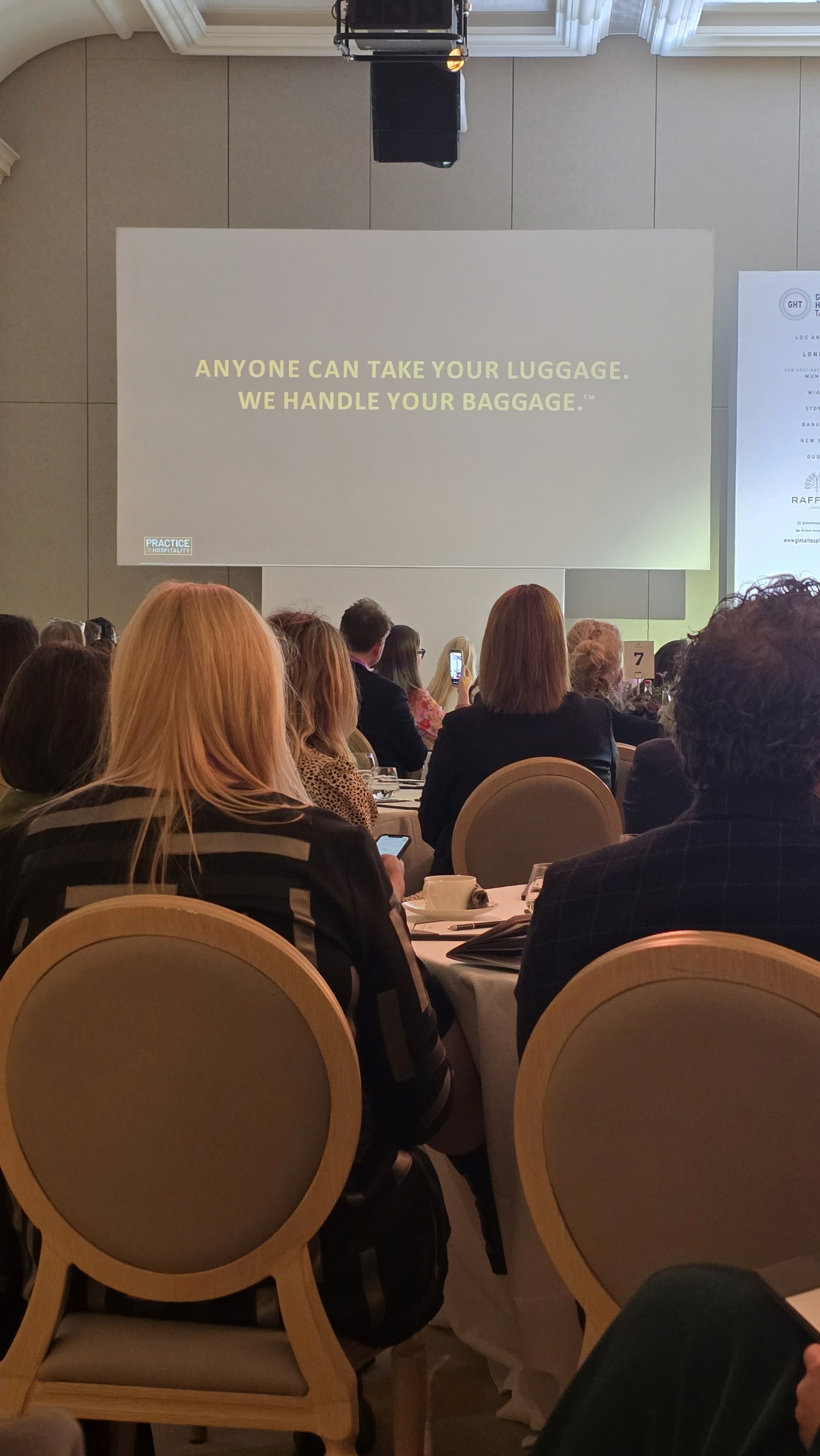
Hospitality is how you make people feel.
Service is what you deliver.
Hospitality is what people remember.
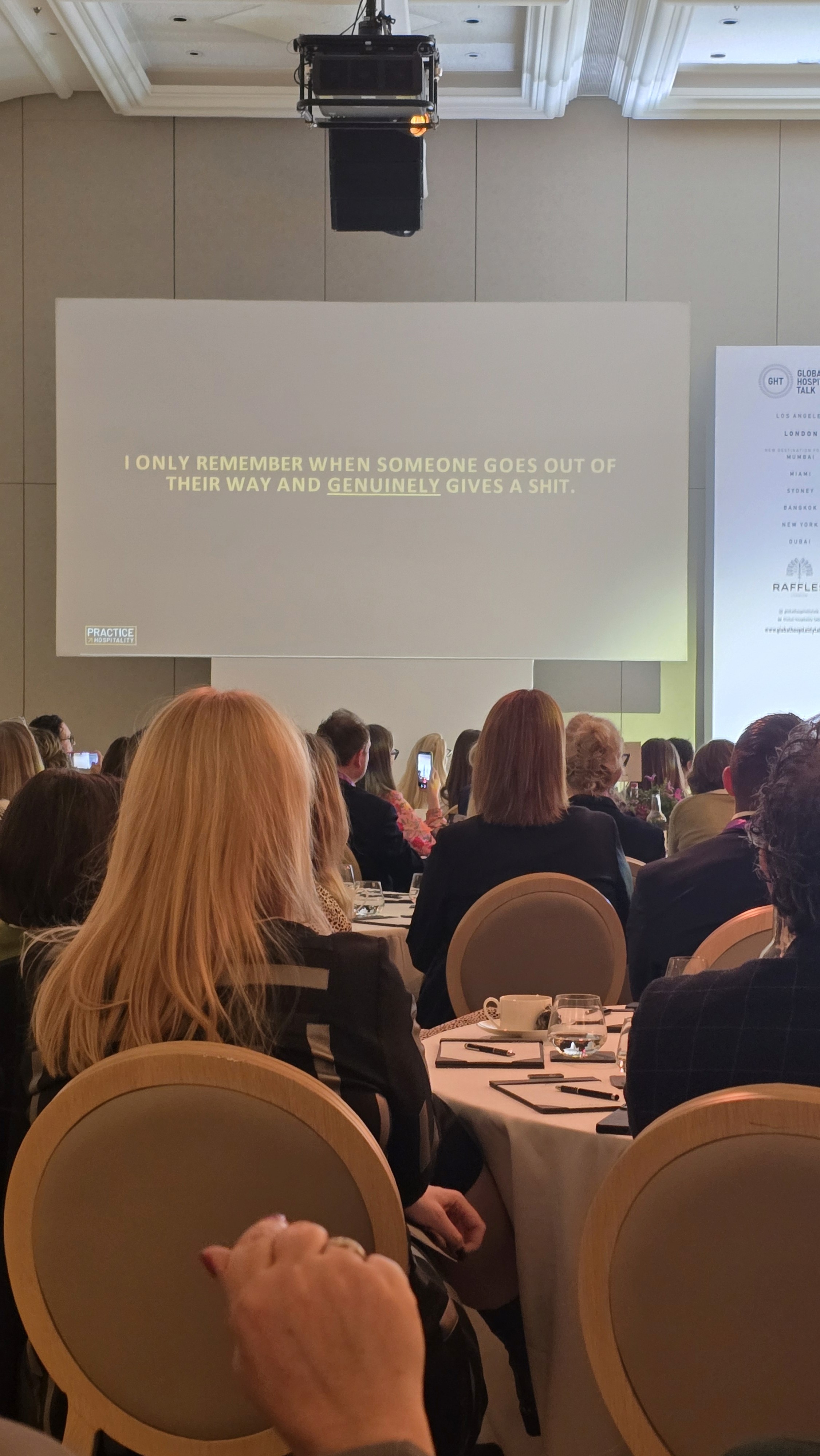
It’s often the smallest gestures when someone goes out of their way that leave the strongest impression.
As the saying goes:
Take care of your employees, and they will take care of your guests and your guests will return.
A Personal Reflection
Interestingly, this idea extended beyond design.
At the event itself, speaking to new people felt very similar to hospitality. Starting conversations with strangers isn’t always easy, and keeping them going can be even harder.
But the same principle applies:
Focus on how you make people feel.
Final Thought
We often ask: Where should I stay?
But perhaps the better question is:
Why should I care?
Because the future of hospitality is not just about location or luxury.
It’s about creating something that people carry with them long after they leave.
Txengo Perspective
At Txengo Studio, this reinforces what we believe:
Design is not just about creating spaces.
It’s about shaping experiences, behaviours, and memories.
And that always begins with people.