By Jimena Chandler-Daza Txengo Internship, & Ju-Wei Chen Creative Director at Txengo Studio
Title photo: Molteni&C
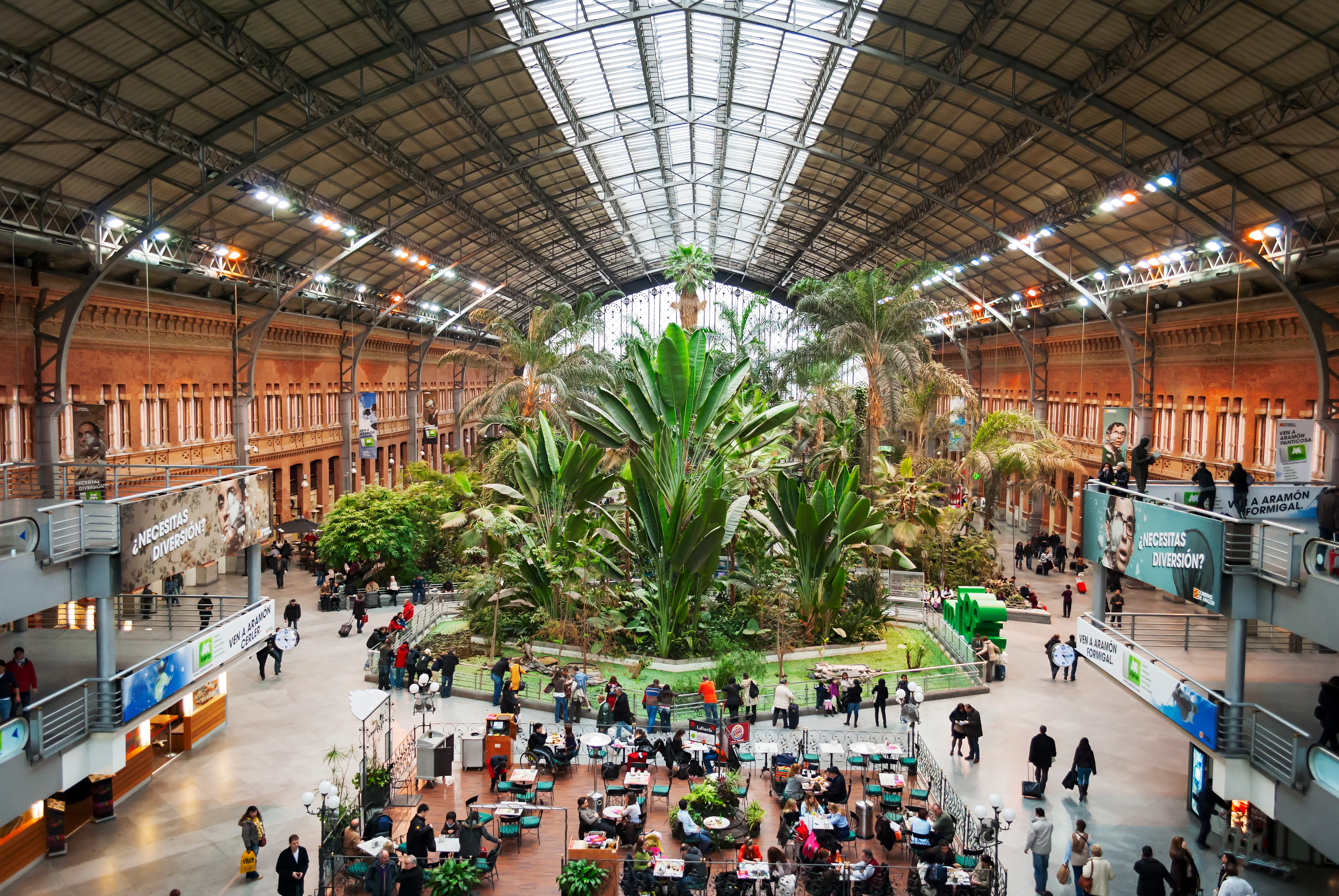
The grandeur of vast arches, gleaming marble and towering columns are significant lasting influences of ancient architecture on the modern world. But more subtly, Roman living styles and practical architecture have seamlessly seeped into designs today, arguably having more of an impact than the blinding symbols of the ancient world. These more subtle design features can be used to reach beyond just the aesthetics that we take from classical architecture. Instead, in the face of the climate crisis and to keep up with modern innovation, we should take the practicality of these ancient designs to help us solve current issues.
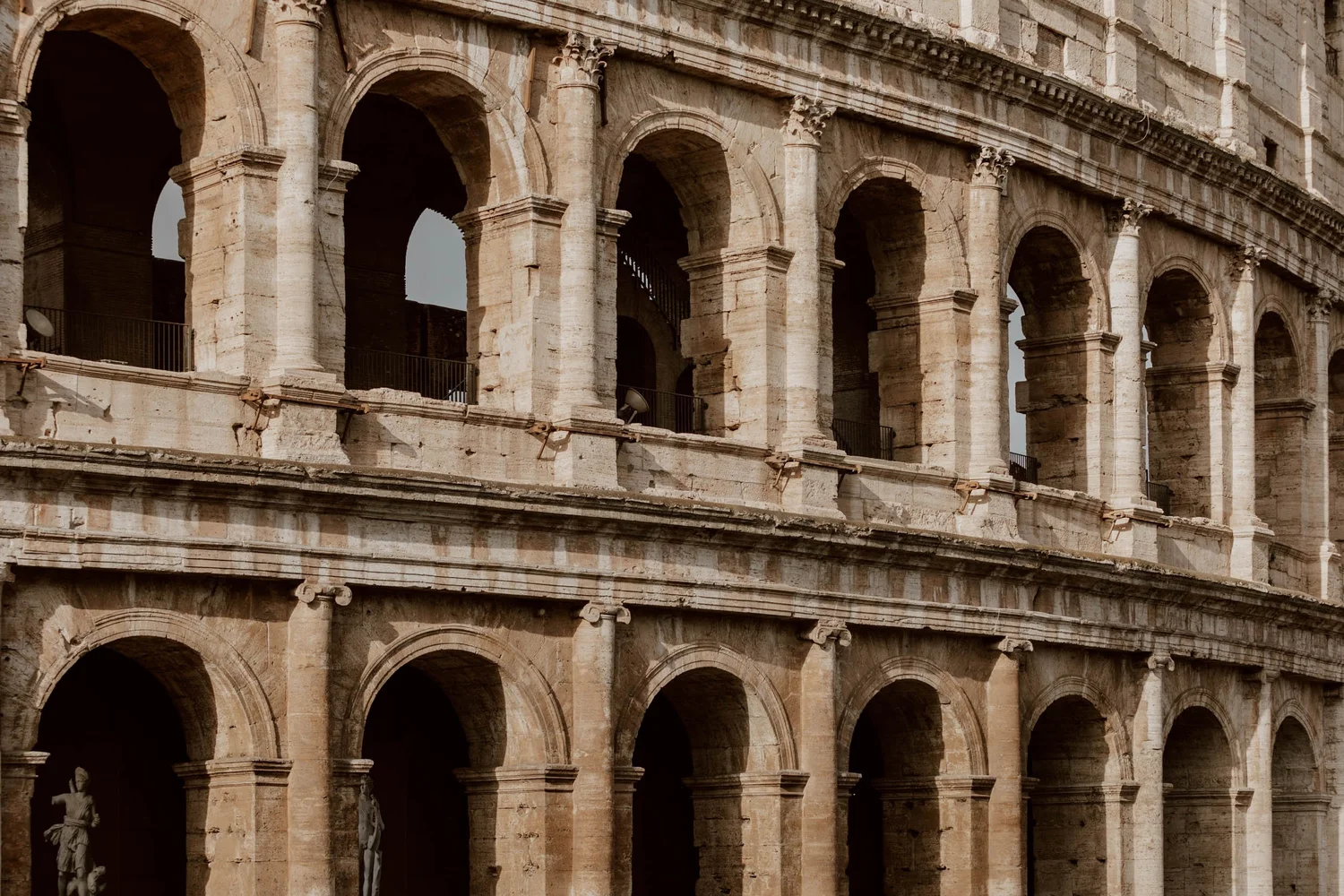
Photo: alongdustyroads.com
The design of a Roman villa combined both practicality and luxury by prioritising entertainment and hospitality whilst also taking the inhabitants' day to day tasks into account. For instance, a Roman villa's most prominent feature is its indoor-outdoor living - a prominent aspect of modern villa designs across warmer countries. Created by the hollowed-out square shape villas, a shaded courtyard was common, making sunny Italian summers more bearable whilst also having a welcoming outdoor entertainment space. This technique of natural shading can also be seen in Rome's tall buildings and narrow streets which limited the entry of sunlight. Similarly, public gardens with trees provided shady areas outdoors. More complex designs such as aqueducts and fountains allowed for flowing water which cooled the air's temperature. The simplicity of some of these solutions stays standing in many countries - not necessarily because of Roman influence.
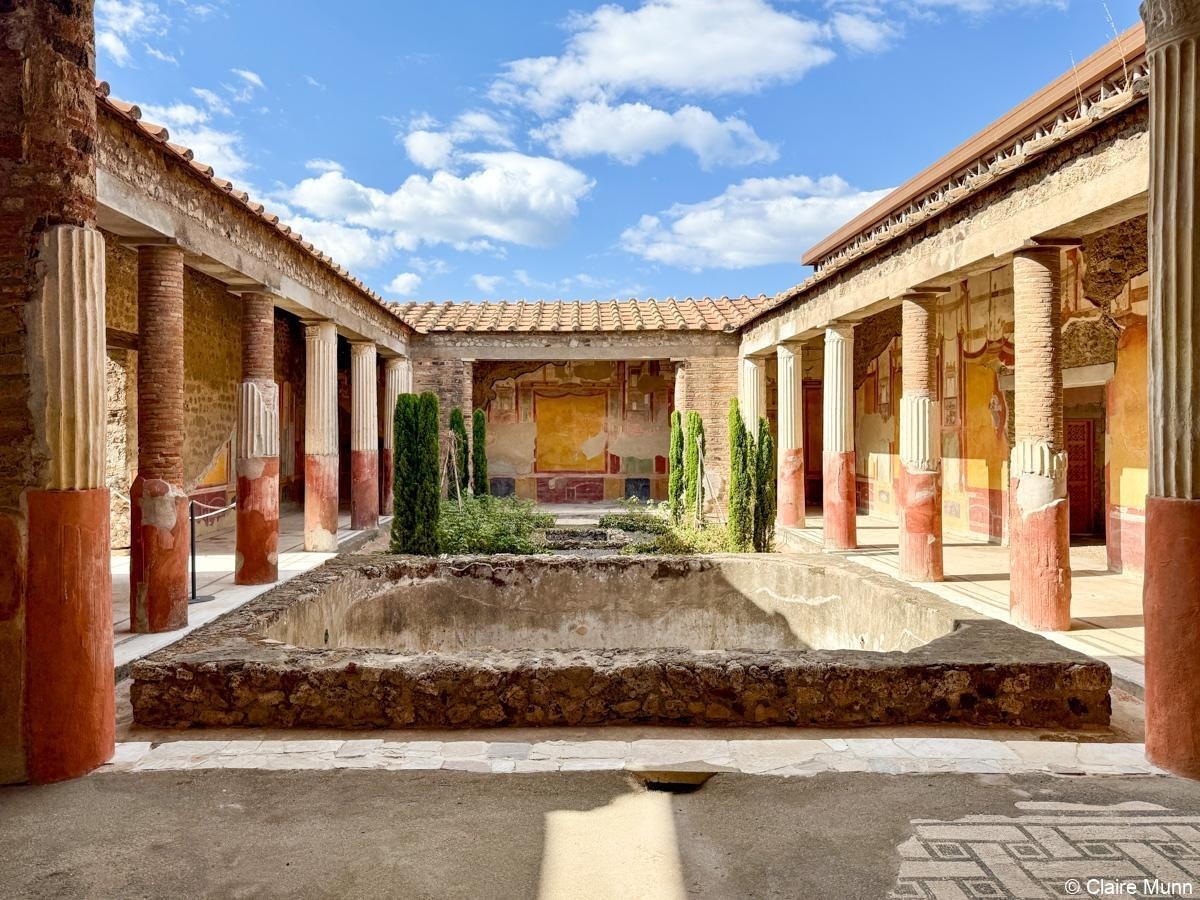
Photo: Artisans of Leisure
Without the modern comfort of air conditioning, historical civilizations resorted to natural elements and practical architecture to ensure comfortable living. Now more than ever, we must consult these methods to tackle global warming's increasingly hotter weather, avoiding the damaging effect of methods such as air conditioning - which, in the long term, worsens this climate crisis.
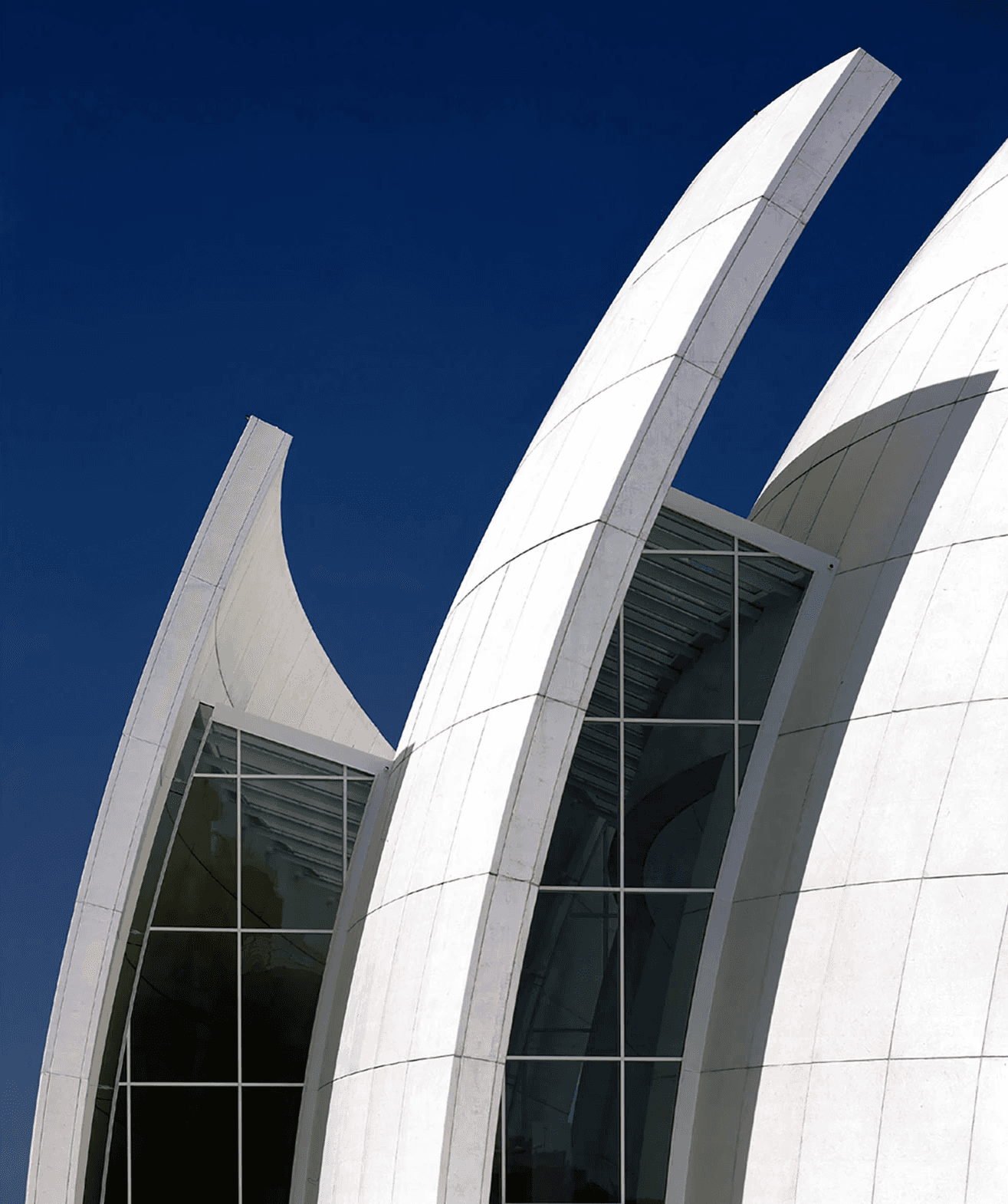
Photo: Andear Jemolo
However, it becomes difficult when we try to identify how to implement these large-scale pieces of architecture without completely reconstructing houses and cities. Although new builds can be approached drawing some inspiration from Roman architecture, making them more versatile, this may not benefit populations on a larger scale.

Photo: Molteni&C
In the future, I see a focus on providing more natural solutions to create comfortable living without having such detrimental effects on the environment. Outdoor shaded areas can be prioritised to make the increasingly warm summers more enjoyable, indoors homes should have improved ventilation, drawn from that Roman indoor-outdoor living.

Photo: Molteni&C
Txengo Perspective
At Txengo Studio, we believe some of the most innovative ideas come from looking beyond today's trends. History offers more than architectural inspiration; it provides lessons in designing for people and the environment.
As designers working across residential, hospitality and luxury travel, we are increasingly interested in how spaces can improve comfort through thoughtful planning rather than relying solely on technology. From shaded courtyards and natural ventilation to the relationship between indoor and outdoor living, many principles developed centuries ago remain remarkably relevant today.
Innovation is not always about creating something entirely new. Sometimes it is about rediscovering ideas that have quietly stood the test of time and reimagining them for the way we live today.