By Ju-Wei Chen, Creative Director at Txengo Studio
Title Photo: gettyimage
Why the Best Journeys Remove Friction
Recent headlines have been dominated by discussions around global oil supply, shipping disruptions, and rising fuel costs. Whilst it is too early to predict the full impact on summer travel, ongoing uncertainty continues to place pressure on airline operating costs and raises interesting questions about how we may choose to travel in the future.
At the same time, another trend has quietly been gathering momentum across Europe.
Train travel is back.
Not because it is new, and not simply because it is more sustainable, but because it offers something many travellers are increasingly seeking: a more comfortable and less stressful journey.
By chance, I recently found myself travelling through Spain and was reminded why rail travel continues to resonate with so many people.
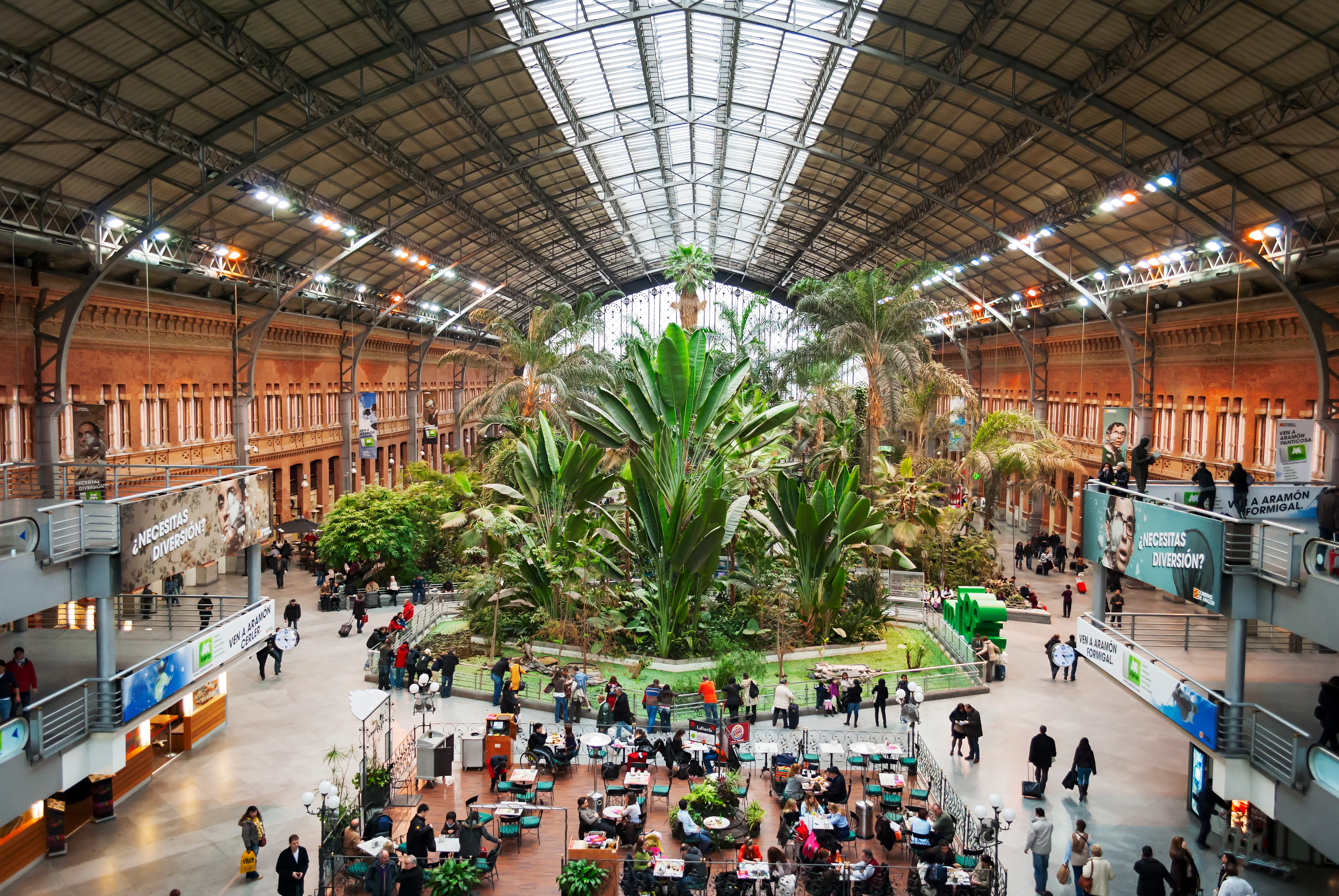
Although Madrid's Atocha Station was partially under construction during my visit, the journey itself was remarkably smooth. Europe has always been well connected by rail, but what struck me most was not the speed of the train. It was the ease of the experience.
Many people describe rail travel as "slow travel". Personally, I would describe it as stressless travel.
There were no lengthy security queues, no concerns about baggage restrictions, and no rush through airport terminals. Instead, the journey began in the heart of the city and ended in the heart of another.
Station to station.
Not airport to airport.
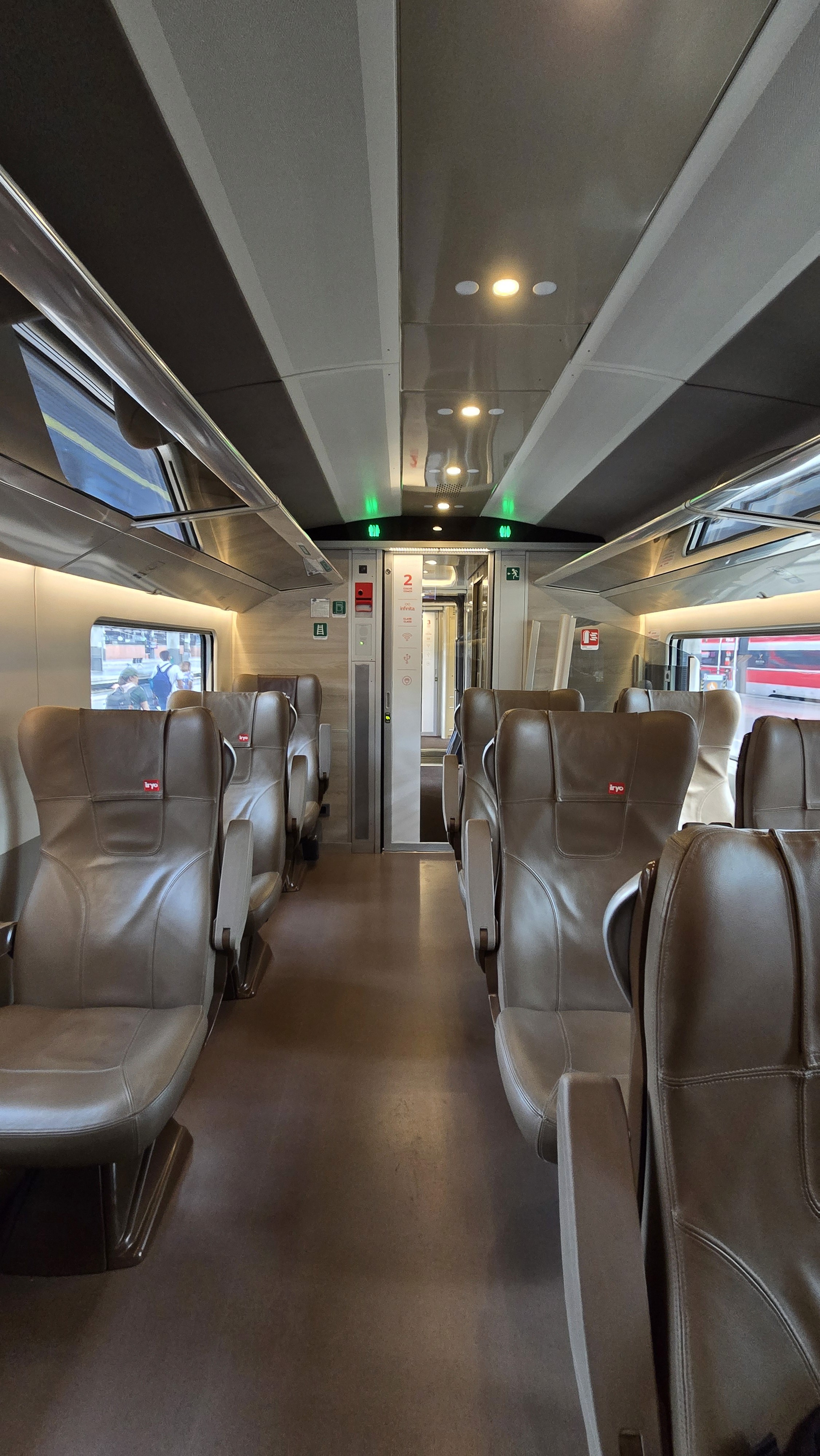
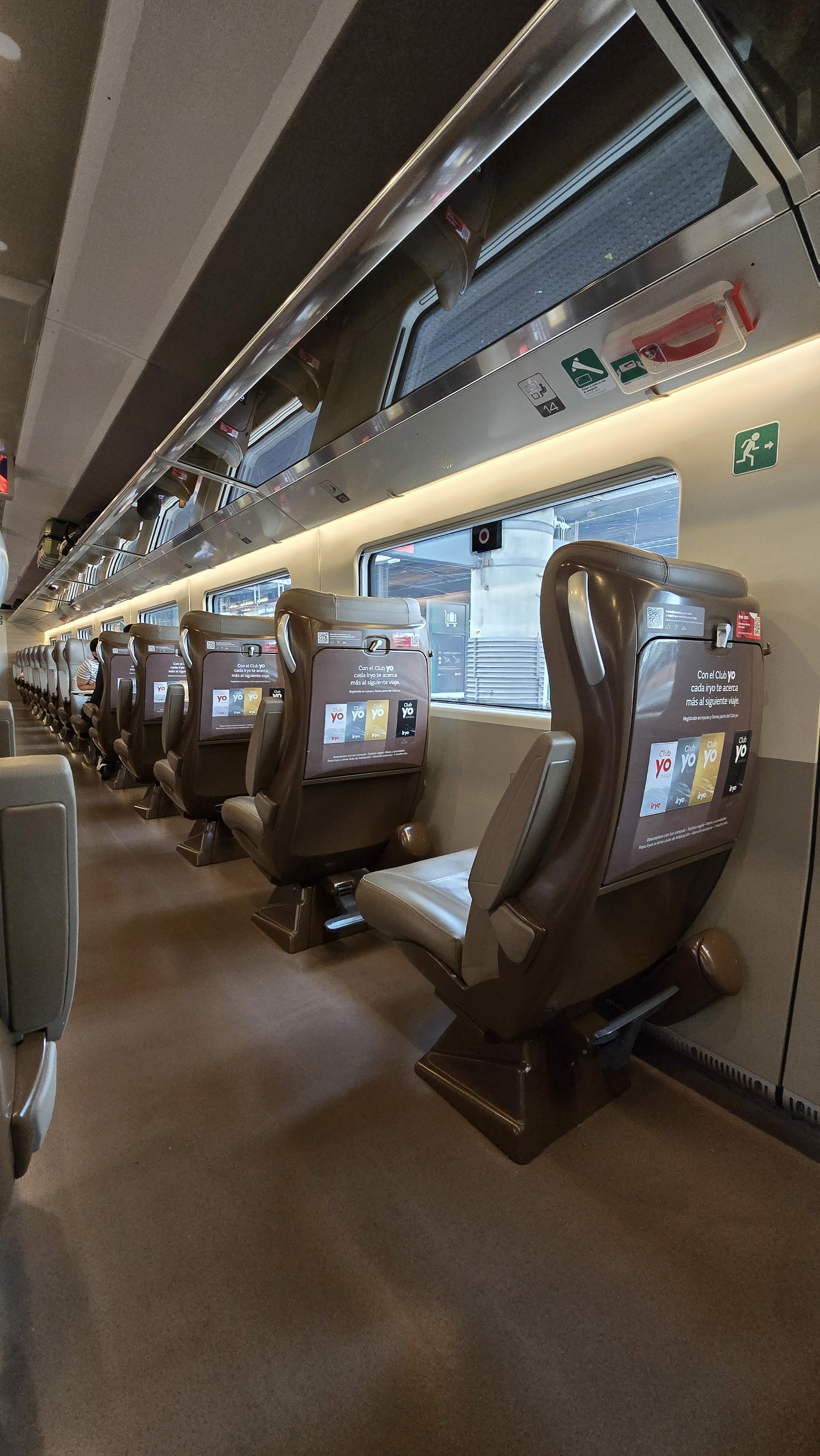
For this trip, I travelled in First Class and was pleasantly surprised by the quality of the onboard experience. The carriage was spacious, quiet, and comfortable, with excellent service throughout the journey.
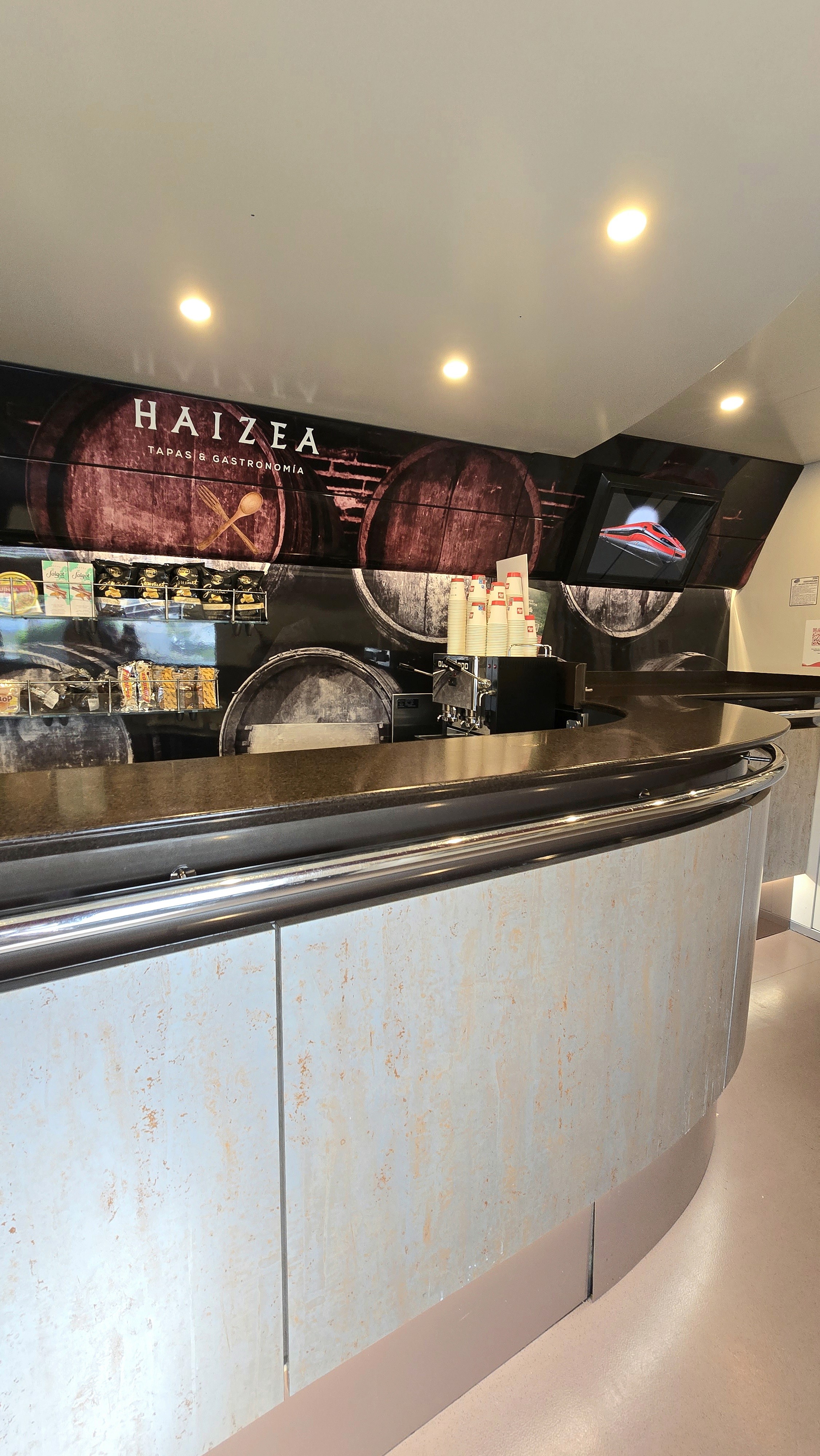
One of the highlights was the onboard catering. We enjoyed a selection of tapas served during the trip, whilst a drinks and snack trolley passed through regularly. It was a simple detail, but it created a feeling that is becoming increasingly rare in modern travel, the feeling of being genuinely looked after.
As designers, we often talk about experience. Luxury is rarely about gold finishes or expensive materials. More often, it is about how something makes you feel.
This journey delivered exactly that.
The European Rail Renaissance
Across Europe, rail travel continues to grow in popularity.
High-speed rail networks have transformed the way people move between cities, with routes such as Madrid–Barcelona, Paris–Lyon, Milan–Rome, and London–Paris offering compelling alternatives to short-haul flights.
Whilst sustainability has certainly played a role in this shift, there are other factors at work.
Travellers are increasingly valuing comfort, convenience, and the quality of the journey itself.
The ability to work, read, relax, or simply enjoy the scenery has become part of the experience rather than time lost in transit.
This growing demand has also driven renewed investment into premium rail experiences, luxury sleeper services, and hospitality-led train journeys across Europe.
For those of us who work within design and hospitality, it is fascinating to observe how expectations of travel continue to evolve.
What Could Rising Fuel Costs Mean for Summer Travel?
Fuel remains one of the largest operating costs for airlines. Whilst carriers have sophisticated systems in place to manage fluctuations, continued increases in fuel prices can influence ticket pricing, route planning, and operational decisions.
This does not mean flights will disappear, nor does it suggest that rail will replace aviation. Both play essential roles in connecting people and places.
However, for many European city pairs, rail is becoming an increasingly attractive option, particularly when total journey time, comfort, and convenience are taken into account.
As travellers become more conscious of how they spend both their time and money, the appeal of rail is likely to continue growing.
A Designer's Observation
What interested me most was not the train itself, but the behaviour of the passengers around me.
People seemed calmer.
Many were reading, working, chatting quietly, or simply watching the landscape pass by. The atmosphere felt closer to a hotel lounge than a traditional mode of transport.
As someone fortunate enough to work across residential, hospitality, aviation, and luxury travel projects, I am constantly interested in how environments influence behaviour and shape experiences.
The best journeys are not always the fastest.
They are often the ones that remove friction.
Perhaps the growing interest in rail travel is not simply about sustainability or fuel prices, but about a wider desire for journeys that feel calmer, more connected, and more enjoyable.
In a world that often feels increasingly complicated, that may be the greatest luxury of all.