By Ju-Wei Chen, Creative Director at Txengo Studio
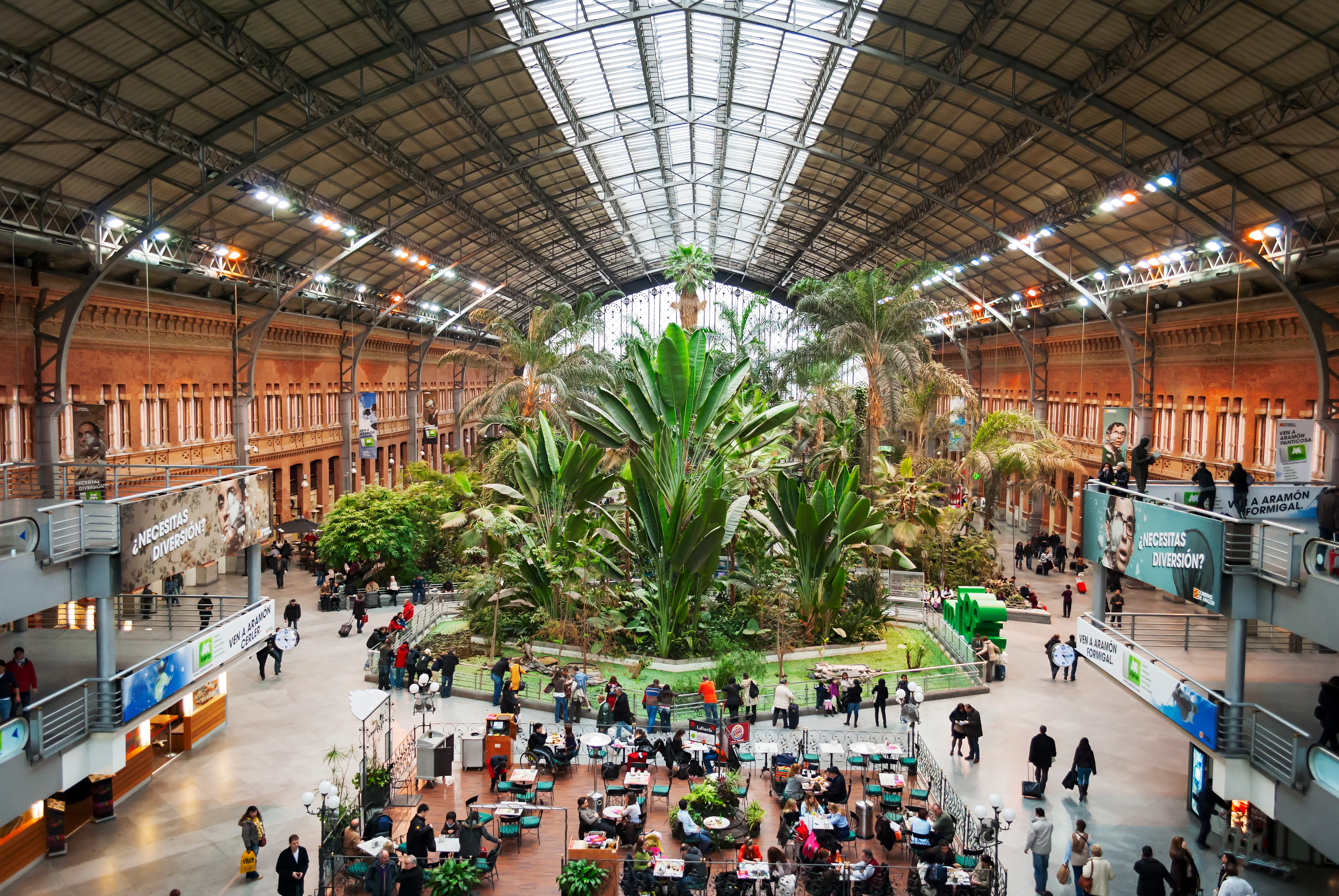
Title Photo: Palacio de santelmo
This week, the UK experienced another heatwave.
For many of us, it meant restless nights, opening every window we could find, and searching for the coolest corner of the house.
It also made me think about something we rarely discuss.
Most homes in the UK were designed to retain heat, not release it.
For decades, our focus has been on insulation, reducing heat loss, and keeping our homes warm through long winters. That approach has served us well. But as summers become hotter and heatwaves more frequent, perhaps it's time to rethink what comfort means.
As designers, we often talk about aesthetics, layouts, and materials.
But during a heatwave, none of those matter if a space doesn't feel comfortable.
Good design isn't only about how a space looks.
It's about how a space makes us feel.
Comfort Starts Before Air Conditioning
When temperatures rise, our first instinct is often to reach for a fan or air conditioning.
While these certainly help, some of the most effective solutions begin with the design of the space itself.
Simple decisions can make a remarkable difference:
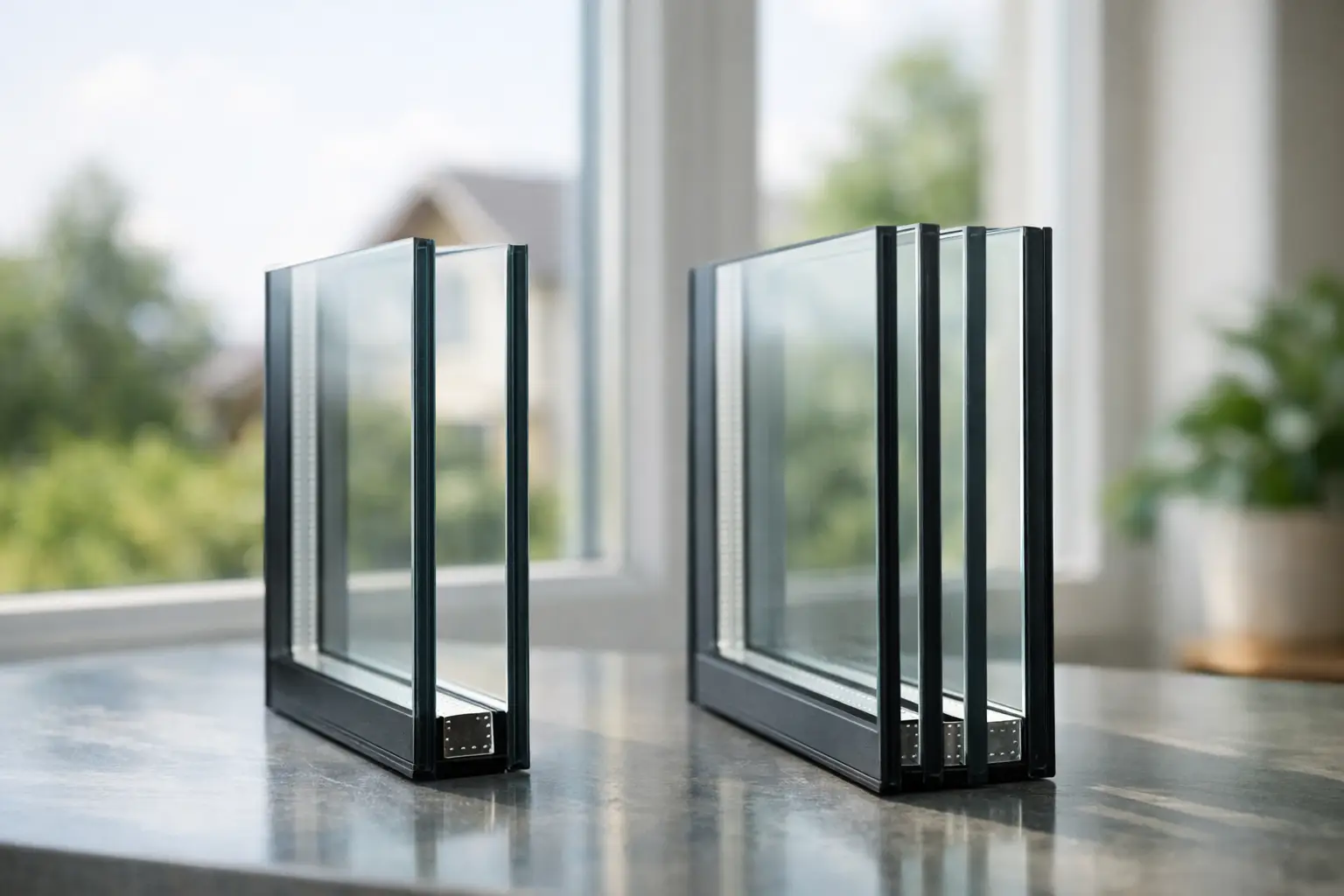
Open windows during the evening and early morning to encourage cross ventilation, then close them before the hottest part of the day.
Use blinds or curtains to reduce direct solar gain, especially on south and west facing windows.
Choose breathable natural fabrics such as linen and cotton for bedding, curtains and upholstery. Bamboo-based bedding can also feel cool and comfortable during warmer nights.
Introduce ceiling fans or improve air movement before relying entirely on mechanical cooling.
Select materials that naturally feel cooler, such as timber, stone, linen, rattan and cork, rather than heavy synthetic finishes.
Consider lighter colour palettes. While colour alone won't reduce room temperature, lighter tones can create a fresher and psychologically cooler environment.
These aren't revolutionary ideas.
In fact, many of them have existed for centuries.
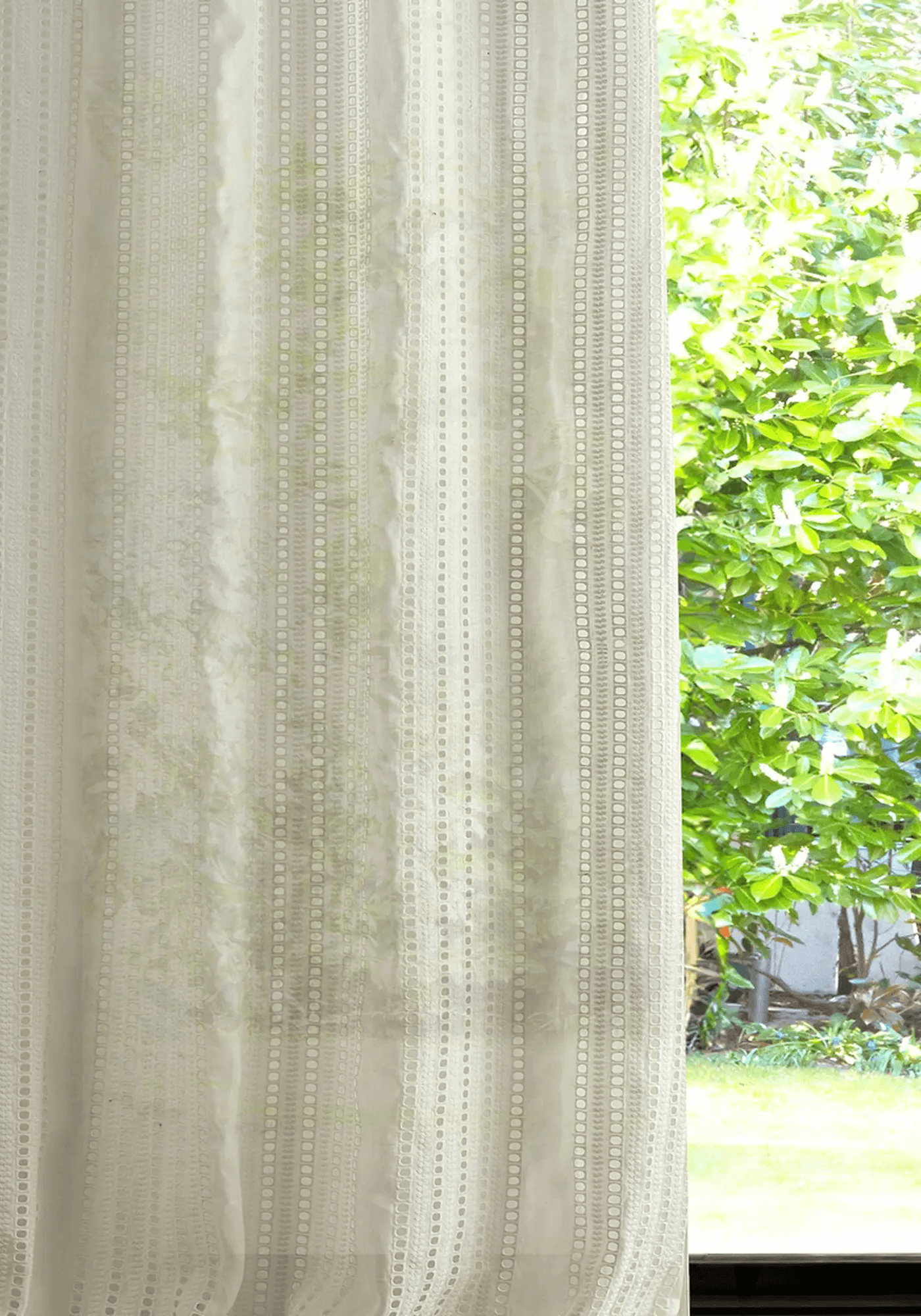
Photo by Sanderson Design Mellita Seaspray White
Sometimes the Best Ideas Are the Oldest
One of the most interesting articles we've recently published at Txengo was written by our summer intern, who studies Classics rather than design.
She explored what Ancient Rome can teach us about cooling buildings today.
Roman architecture embraced courtyards, shaded spaces, thick masonry walls and natural ventilation passive cooling strategies that remain remarkably relevant.
Perhaps the future isn't always about inventing new technology.
Sometimes it's about rediscovering ideas that have quietly worked for generations.

Photo: Dolmen of Menga
Designing for Tomorrow's Climate
Climate change is forcing us to ask new questions.
Should homes in Britain continue to be designed primarily for winter?
Or should they also respond to increasingly hot summers?
This doesn't necessarily mean installing air conditioning everywhere.
It means designing smarter.
Homes that maximise natural ventilation.
Spaces that reduce solar gain.
Materials that respond better to changing temperatures.
Designs that help people feel comfortable naturally.

Photo: Residential Court Yard in Seville
The New Definition of Luxury
Luxury isn't simply about adding more technology.
Increasingly, it is about creating spaces that quietly work better.
A home that stays comfortable during a heatwave.
A hotel room that helps you sleep.
An office where fresh air, natural light and thoughtful materials improve wellbeing without you consciously noticing.
Perhaps the best interiors aren't those that impress us immediately.
Perhaps they are the ones that simply make us feel better.
As our climate continues to evolve, our definition of good design may need to evolve with it.
Because great design is never just about how a space looks.
It's about how it makes people feel.